Overview
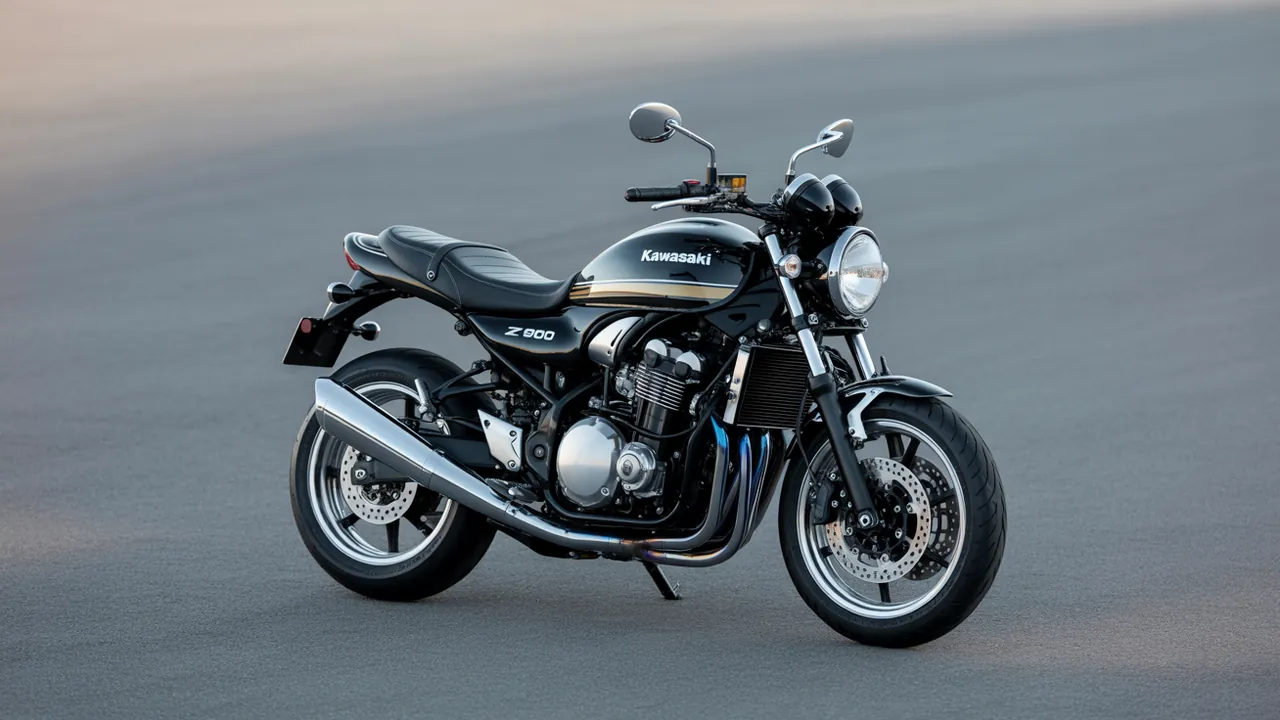
The Kawasaki Z900 for 2026 is arriving as a familiar name in the big bike market, keeping the same core idea that has made the model popular in many countries. The motorcycle remains positioned as a middle-to-large displacement streetfighter, aimed at riders who want strong performance, daily usability, and bold styling in one package.
Industry watchers say the Z900 continues to be a major player in the “big bike” segment, a category that often includes high-capacity naked motorcycles designed for street riding. Kawasaki has not presented the model as a full redesign, but rather as an updated continuation that keeps the Z900’s identity intact while following modern trends in technology, emissions compliance, and rider expectations.
Aggressive Streetfighter Design Stays Central
One of the clearest messages around the 2026 Z900 is that Kawasaki is still leaning heavily into aggressive streetfighter styling. The Z line has long used sharp bodywork, compact proportions, and a forward-leaning stance to communicate speed and attitude even when the bike is parked.
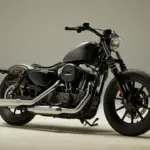
For 2026, the design focus continues with a muscular fuel tank shape, minimal rear body panels, and a front end that typically emphasizes a compact headlight unit and angular lines. This visual approach is common in the streetfighter class, where riders often choose bikes as much for looks and presence as for performance numbers.
In many markets, buyers also expect multiple color options and special editions. While exact trims can vary by region, Kawasaki’s strategy with the Z900 has often included bold paint schemes and contrasting graphics to keep the model fresh from year to year.
Position in the Big Bike Segment
The big bike segment has grown more competitive, with several manufacturers offering high-powered naked motorcycles that can handle commuting, weekend rides, and occasional touring. The Z900 sits in the middle of this fight, typically balancing performance and price to attract riders moving up from smaller bikes.
Dealers and analysts often describe the Z900 as a model that appeals to a wide range of buyers. Some riders want a strong inline-four engine for smooth acceleration. Others want a bike that feels sporty without forcing a full supersport riding position. This broad appeal helps explain why the model continues to be seen as a dominant name in many lineups.
“Dominates” can mean different things depending on the country. In some places it refers to sales volume, while in others it points to brand recognition or strong demand in the used market. The Z900 has built a track record that supports all of these measures, though final performance depends on pricing, availability, and local competition.
Engine and Performance Expectations
The Z900 has traditionally been linked with an inline-four engine layout, a configuration known for smooth power delivery and a high-revving character compared with many twin-cylinder alternatives. For 2026, the expectation is that Kawasaki will continue to focus on strong mid-range power, which is useful in real-world riding such as city traffic and highway overtakes.
Modern updates in this class often include refinements for emissions and fuel efficiency. Manufacturers may adjust engine mapping, exhaust systems, and intake designs to meet regulations while keeping performance competitive. Riders usually want these changes to feel seamless, with minimal loss of excitement.
In the streetfighter category, performance is not just about top speed. Handling, throttle response, braking feel, and comfort also shape how fast and confident the bike feels on public roads. That is one reason why manufacturers pay attention to electronics, chassis tuning, and suspension settings even when the engine remains similar.
Chassis, Suspension, and Road Presence
A key part of the Z900’s reputation has been its everyday rideability. In this segment, buyers often want a bike that feels stable at speed but not heavy at low speed. A well-balanced chassis can make a 900cc-class motorcycle feel manageable, even for riders who are not experts.
Suspension setup is also central. Streetfighters are commonly tuned for a mix of comfort and sporty control, since many owners ride on uneven city roads as well as smoother highways. Depending on the market, the Z900 may offer adjustable suspension components that allow riders to fine-tune the feel for their weight and style.
Braking is another major factor in this class. Big bikes are expected to deliver strong stopping power with predictable lever feedback. Many motorcycles in this range use modern ABS systems, and some offer cornering support through advanced sensors on higher trims or later updates.
Technology and Rider Aids
Riders in 2026 expect more technology even on motorcycles that aim to keep a simple, mechanical feel. The Z900 has typically included a digital instrument display, and modern versions often feature connectivity options that allow basic smartphone pairing. These systems can provide call alerts, navigation support through an app, and ride logs, depending on the region and feature set.
Rider aids are also increasingly common. Traction control, riding modes, and power delivery settings are now standard expectations in many big bike models. These features can help riders manage high torque in wet or dusty conditions. They also make the bike feel more approachable for those stepping up from smaller displacement motorcycles.
Even with electronics, the market shows that many buyers still value simplicity. A big reason for the Z900’s popularity is that it has often been seen as a straightforward machine that delivers strong performance without forcing riders into overly complex settings.
Comfort, Practical Use, and Ownership
Streetfighters are not designed as full touring bikes, but many owners still use them for longer rides. Seat comfort, handlebar position, and wind exposure become important topics, especially on highways. The Z900’s naked design means it typically offers less wind protection than faired sport or sport-touring models.
For day-to-day ownership, fuel range, maintenance costs, and reliability matter. Kawasaki’s large models usually benefit from established service networks in many regions. Running costs can vary based on local parts pricing and insurance rates, but a well-known model often benefits from easier access to spares and accessories.
Accessory support is another part of the ownership story. Big bike buyers often add frame sliders, radiator guards, taller windscreens, or luggage solutions. The Z900’s popularity has encouraged strong aftermarket support, which can make it easier to tailor the bike to commuting or weekend travel.
Market Momentum and Competition
The 2026 Z900 enters a market with strong rivals from Japan and Europe. Competition typically includes other naked bikes in the 800cc to 1000cc range, many of which offer similar power and technology. Brand loyalty, design preference, and pricing often decide which models lead sales.
Kawasaki’s approach with the Z900 has been to keep the motorcycle competitive without losing its identity. If pricing remains stable and supply is steady, the model could continue to hold its strong position. However, economic conditions and changes in import rules can also affect how motorcycles perform in the market from year to year.
For riders, the result is more choice. The Z900’s continued presence and bold styling suggest Kawasaki sees the streetfighter segment as a long-term priority, especially as more riders look for versatile big bikes that can do a bit of everything.
What to Watch Next
As more official information becomes available, buyers and fans will be watching for final specifications, regional feature lists, and pricing. Small changes like new electronics, updated color options, or revised suspension settings can have a big effect on how the model is received.
For now, the headline remains clear: the Kawasaki Z900 for 2026 is being presented as a continuing force in the big bike segment, with aggressive streetfighter styling still at the center of its appeal.
FAQs
Is the Kawasaki Z900 2026 a completely new model?
Early positioning suggests it is more of an updated continuation than a full redesign, though final details may vary by market.
What type of rider is the Z900 aimed at?
It is mainly aimed at riders who want a powerful naked bike for street use, including commuting and weekend rides, with sporty styling and strong performance.
Does the Z900 2026 focus more on performance or comfort?
It is generally designed as a balance, offering strong acceleration and handling while staying usable for everyday riding compared with full supersport motorcycles.
What should buyers check before purchasing?
Buyers should compare regional specifications, pricing, warranty terms, and available features such as rider aids and connectivity, since these can differ by country.