Hyundai Creta Facelift 2026 draws attention ahead of expected launch
The Hyundai Creta Facelift 2026 is generating fresh interest in India’s compact SUV segment, with reports pointing to a refreshed exterior design and a claimed fuel efficiency figure of up to 21 kmpl. The Creta is already one of Hyundai’s best-known models in the country, and any update to the nameplate is closely watched by buyers and rivals.
While Hyundai has not confirmed every detail in public yet, the facelift story is building through market talk, expected feature upgrades, and the growing focus on mileage. A 21 kmpl figure, if achieved under official test cycles, would place the updated Creta among the more efficient options in its class.
What a facelift usually means for buyers
A facelift is typically not a full model change. Instead, carmakers refresh the styling, add or adjust features, and sometimes update the engine lineup or tuning. The goal is to keep the product competitive without changing the core platform.
For the Creta Facelift 2026, the main talking points are an updated design and improved efficiency. Buyers often look for these changes because they can bring a newer look and better day-to-day running costs without the price jump that can come with an all-new generation.
Updated design: what is expected to change
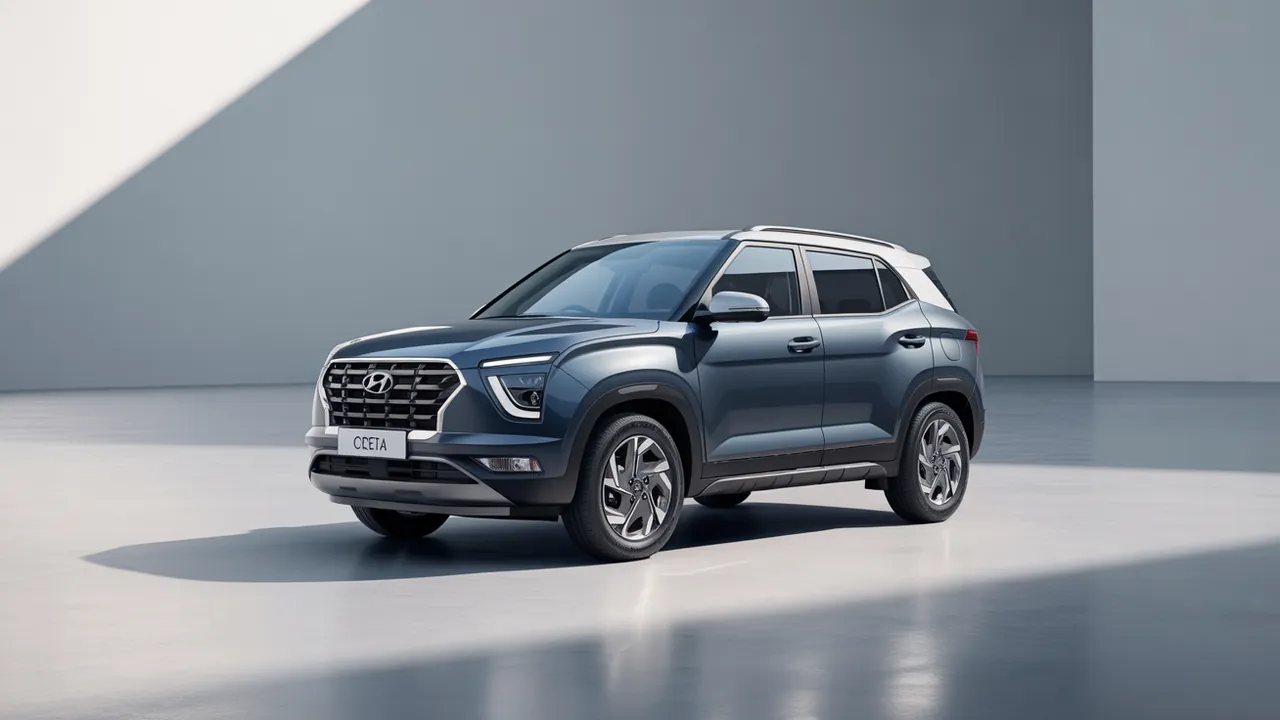
The biggest spotlight is on the exterior. The facelift is expected to bring a revised front profile, including changes to the grille design and a sharper lighting signature. In most facelifts, the headlamps and daytime running lights are reworked to give the car a new identity on the road.
At the rear, manufacturers often refresh the tail-lamp graphics, bumper styling, and small trim details. These changes may not alter the car’s size, but they can make the vehicle look more modern. Alloy wheel designs are also commonly updated during facelifts, and that is expected here as well.
The Creta’s design has evolved over time with bold styling cues. The 2026 facelift is being discussed as another step in that direction, likely focusing on a cleaner, more premium look that aligns with Hyundai’s latest design themes seen in other models.
21 kmpl mileage claim: why it matters now
Mileage remains one of the most important factors for many Indian car buyers, especially in the mass market SUV space. Petrol and diesel prices, daily commuting needs, and long highway travel all influence the demand for better fuel economy.
The 21 kmpl number being linked to the Hyundai Creta Facelift 2026 is likely to refer to an ARAI-rated or similar certified figure, rather than real-world mileage. Actual on-road efficiency depends on traffic, driving style, vehicle load, tyre pressure, and climate control use.
Still, even as a certified value, it signals Hyundai’s focus on efficiency. If this figure is connected to a specific engine and gearbox combination, buyers may see the most benefit by choosing that variant. In many cases, diesel engines and some carefully tuned petrol units can achieve strong official mileage scores.

Possible engine and gearbox approach
Hyundai typically offers the Creta with multiple powertrain choices to cover different budgets and driving needs. A facelift can keep the same engines while improving calibration, adding mild updates, or reshuffling variant combinations.
Without official confirmation on every configuration, the market expectation is that Hyundai will continue with a mix of petrol and diesel options, depending on regulations and demand. Gearbox choices in this segment usually include manual and automatic transmissions, and the final mileage figure often varies widely between them.
If the facelift aims to highlight a 21 kmpl figure, it could be tied to a specific trim that is expected to be the most efficient in the range. Buyers should still wait for the final certified numbers released at launch.
Cabin updates and features buyers are watching
Along with design and mileage, the Creta Facelift 2026 is also expected to draw interest for feature updates. In this segment, buyers increasingly look for connected technology, a modern infotainment interface, and improved comfort features.
A facelift often brings a revised dashboard layout, new trim materials, and updated screens. Even small improvements, like better seat cushioning, added storage, and new convenience features, can change how the car feels in daily use.
Hyundai has built a strong reputation for offering a long feature list across its lineup. With the compact SUV space becoming more competitive, the facelift is likely to keep the Creta aligned with current expectations, especially around smartphone connectivity and in-cabin tech.

Safety and driver assistance in focus
Safety is another key area where facelifts can bring changes. Over the past few years, buyers have started paying closer attention to standard safety equipment, crash structure discussions, and advanced driver assistance features.
Depending on the variant strategy, Hyundai could expand the availability of safety features across more trims. In many recent updates across the industry, items like multiple airbags, electronic stability control, and parking assistance are being pushed into more accessible price points.
Advanced driver assistance systems, often called ADAS, have also been appearing more frequently in this class. If added or expanded, such features could become a major talking point for the 2026 facelift, especially for buyers who drive regularly on highways.
Competition in the compact SUV segment
The Creta competes in one of India’s most active categories. Buyers have many choices from several brands, and competitors have been updating their products with new looks, feature upgrades, and special editions.
A strong facelift can help Hyundai maintain its position, especially when combined with a high mileage claim. For many families, the decision comes down to a balance of fuel economy, cabin space, feature list, service support, and resale value.
Hyundai’s wide dealer network and brand familiarity also play a role in the Creta’s popularity. A facelift with visible design changes can help keep showroom footfall strong, particularly among buyers who were considering a purchase but decided to wait for a newer version.
Expected pricing and variant positioning
Pricing will be one of the most important details at launch. Facelifts usually bring a modest price increase, mainly due to added features, updated styling components, and changes in input costs. However, pricing strategy depends on how aggressively Hyundai wants to position the Creta against competitors.
Variant planning is also critical. If Hyundai ties the 21 kmpl figure to a mid-level or popular trim, it could appeal to a larger number of buyers. If it is limited to a specific version, buyers will need to compare equipment and value before deciding.
Final prices, standard equipment, and optional packs will shape the real-world response once bookings and deliveries begin.
What buyers should check before making a decision
For customers planning to buy the Creta Facelift 2026, it may be helpful to wait for official details on engines, certified mileage by variant, and the complete feature list. Test drives will also help clarify ride comfort, visibility, noise levels, and performance in city traffic.
Buyers should also compare insurance costs, service packages, and warranty coverage. A facelift can sometimes introduce new components, so checking service intervals and expected maintenance costs can offer a clearer ownership picture.
Most importantly, shoppers should treat any mileage claim as a reference point and evaluate likely real-world efficiency based on their daily routes and driving conditions.
FAQs
1) Is the 21 kmpl figure for the Hyundai Creta Facelift 2026 a real-world mileage number?
The 21 kmpl figure is expected to be a certified value under test conditions. Real-world mileage can be lower or higher depending on driving style, traffic, and vehicle load.
2) What changes are expected in the design of the Creta Facelift 2026?
The facelift is expected to include a revised front look, updated lighting elements, and refreshed bumper and trim details, along with possible new alloy wheel designs.
3) Will the Creta Facelift 2026 get new features inside the cabin?
A facelift typically brings feature additions and small interior updates. Buyers are watching for improvements in infotainment, connectivity, comfort, and safety equipment.
4) When will Hyundai announce full details like pricing and variants?
Official information such as confirmed variants, final specifications, and pricing usually comes close to the launch or booking announcement. Buyers should check Hyundai’s official channels and dealership updates for the latest details.