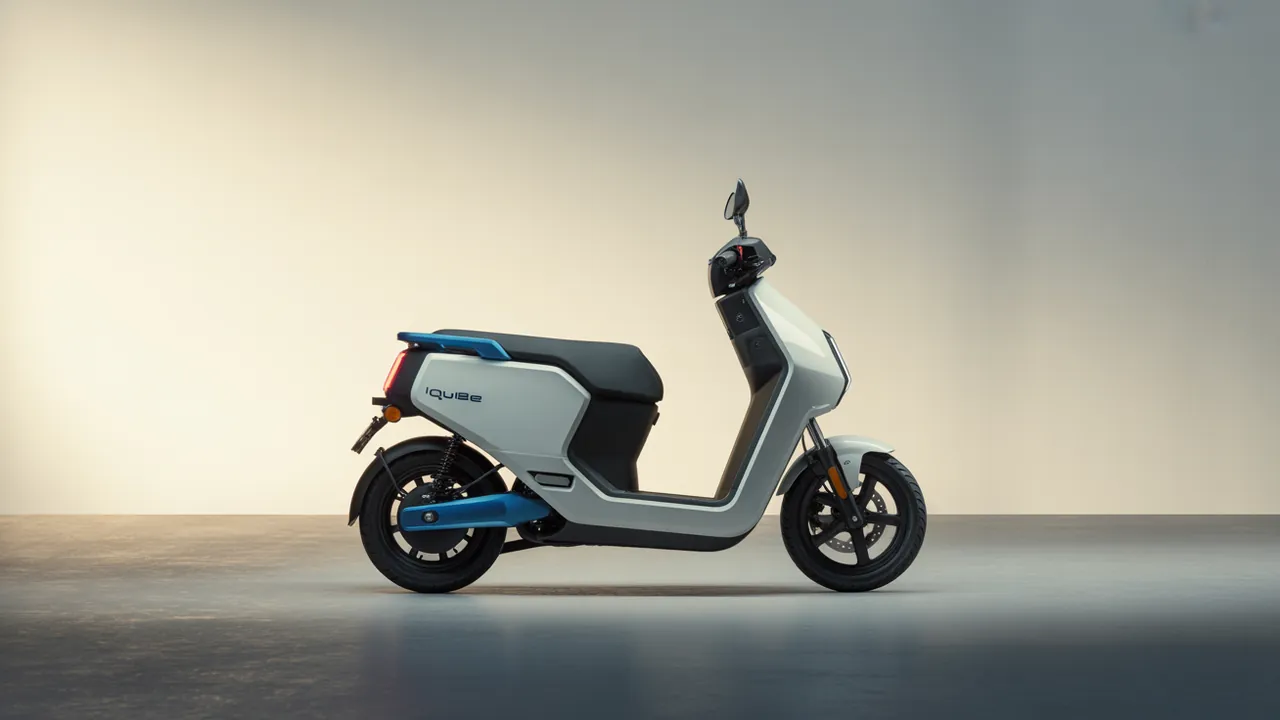
TVS iQube 2026 Gains Popularity As A Reliable Electric Scooter With 145 km Range
The TVS iQube 2026 is drawing fresh attention in India’s electric two-wheeler market. The scooter is being discussed as a practical option for daily travel, with a claimed range of up to 145 km on a full charge in certain variants and conditions. Buyers and fleet operators are also pointing to reliability, service reach, and familiar brand support as reasons for its growing popularity.
Electric scooter demand has been rising in several cities, supported by improving charging options and wider public awareness. In this environment, models that focus on predictable performance and low running costs are gaining traction. The iQube line has been present for several years, and the 2026 model-year updates are being closely watched by commuters.
What is the TVS iQube 2026?
The TVS iQube is an electric scooter positioned for urban and semi-urban riders. The 2026 model is being seen as an evolution of the earlier iQube lineup, keeping the same commuter-focused approach while adding updates that aim to improve convenience and ownership experience.
In news discussions and buyer comparisons, the iQube 2026 is often placed against other mass-market electric scooters that target daily use. These products typically compete on range, ride quality, charging time, features, and after-sales support.
Range highlight: Up to 145 km on a charge
One of the most talked-about points is the stated 145 km range figure. Range remains a key decision factor in the electric two-wheeler segment, especially for riders who do not have easy access to charging at work or in public spaces.
Industry observers note that real-world range can vary based on riding speed, road conditions, payload, tyre pressure, and weather. Use of power modes, frequent braking, and stop-and-go traffic also affect how far an electric scooter can travel on a charge.
Even with these variables, the appeal of a higher claimed range is clear. For many commuters, it can reduce “range anxiety” and make it easier to plan travel without daily charging. It may also support a wider set of use cases, including longer city commutes and multiple short trips in a day.
Why the iQube 2026 is being called “reliable”
Reliability is a common theme in buyer feedback for commuter scooters, whether petrol or electric. For electric scooters, reliability discussions usually include battery performance over time, consistency of software features, durability of components, and the availability of service support.
TVS is an established manufacturer with an existing service network. This can influence customer confidence, particularly among first-time EV buyers. A wider service footprint can help reduce downtime for routine inspections, repairs, and warranty-related work.
In addition, electric scooters generally have fewer moving parts than petrol scooters. This can reduce certain maintenance needs, although owners still need regular checks for brakes, tyres, suspension parts, and electrical connections.
Features and day-to-day usability
Electric scooter buyers often evaluate features that make daily riding simpler. This includes information shown on the display, connected features, storage utility, and safety-related functions. The iQube series has typically focused on practical features rather than extreme performance, which aligns with its commuter positioning.
Depending on the variant and market configuration, buyers may look for a digital instrument cluster, turn-by-turn navigation support, ride statistics, and smartphone connectivity. These features can help riders track battery status and plan routes with charging in mind.
Usability also depends on basics such as seat comfort, riding posture, footboard space, and the stability of the scooter at city speeds. For many shoppers, a smooth ride and predictable handling are more important than top speed figures.
Charging and running costs
Charging time and charging access remain major factors in EV adoption. Many owners charge at home, often overnight. The ability to maintain a routine charging pattern can reduce inconvenience and improve overall satisfaction.
Running costs are another reason electric scooters are gaining interest. Electricity costs per kilometre are often lower than petrol costs, although the final savings depend on local tariffs, usage pattern, and maintenance needs. For high-mileage users, including some delivery and fleet operations, lower operating costs can be a strong reason to choose an EV.
However, buyers also consider battery warranties, replacement costs, and long-term performance. Battery health over years of use can influence resale value and total ownership cost. This is why brand reputation and warranty clarity are frequently mentioned in purchase decisions.
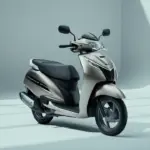
Market context: Strong competition in electric scooters
The Indian electric scooter market has become more competitive, with multiple brands offering different combinations of range, features, and pricing. Some models focus on sporty design and acceleration, while others focus on comfort and affordability.
In this crowded field, scooters that present a balanced package often attract a broader customer base. The iQube 2026 is being discussed in that context, with attention on whether it offers a dependable mix of range, comfort, and ownership support.
Analysts also note that consumer expectations are changing. Early EV adopters often accepted limitations in charging and service, but newer buyers expect smoother software, better fit and finish, and fewer quality issues. This raises pressure on manufacturers to maintain consistency across production batches and service locations.
Who is considering the iQube 2026?
The iQube 2026 is being seen as a scooter for commuters who want a stable and predictable daily vehicle. This includes office-goers, students, and families looking for a second vehicle for local travel.
It also attracts riders who prefer a familiar scooter format and who may be moving from a petrol scooter for the first time. For these buyers, ease of use and after-sales support can matter as much as headline specifications.
In some locations, fleet and business users may also consider the iQube for routine routes, depending on charging arrangements and daily distance requirements. A longer claimed range can be useful for such operations, though fleets often base decisions on total cost, service response time, and parts availability.
What buyers usually check before purchase
Despite positive attention, buyers typically compare several practical factors before deciding. Test rides are used to judge pickup, braking feel, and low-speed balance in traffic. Riders also check how the scooter behaves on rough roads and speed breakers.
Customers may ask about the real-world range they can expect on their routes, including with a pillion rider. They may also ask about charging time at home, the type of charger provided, and any requirements for dedicated wiring or sockets.
Other common checks include warranty terms, roadside assistance options, service intervals, and the availability of software updates. Many buyers also examine boot space, the quality of switches and panels, and whether the scooter supports practical accessories.
Outlook for the TVS iQube 2026
The popularity of the iQube 2026 reflects a wider trend in India’s EV market: buyers are looking beyond early-adopter novelty and focusing more on reliability and usability. A claimed 145 km range, paired with a well-known manufacturer’s support system, is helping the scooter stay visible in consumer discussions.
Future demand may depend on how the scooter performs in everyday conditions over time, how service experience varies by city, and how pricing and incentives evolve. As charging infrastructure improves and competition increases, value and ownership experience are likely to remain central to purchase decisions.
FAQs
1) Is the 145 km range of the TVS iQube 2026 a real-world figure?
The 145 km number is generally a claimed figure under specific test conditions. Real-world range can be lower or higher depending on speed, traffic, road surface, load, and riding mode.
2) What makes the TVS iQube 2026 “reliable” compared to some other electric scooters?
Buyers often link reliability to consistent performance, fewer issues over time, and access to service support. TVS also benefits from an established service network in many areas.
3) Is the TVS iQube 2026 suitable for long daily commutes?
It can be suitable if the daily distance fits within expected real-world range and charging is convenient. Many commuters also prefer to keep a buffer and charge regularly rather than run the battery very low.
4) What should I check before buying an iQube 2026?
A test ride, expected real-world range on your route, home charging setup, warranty terms, and service availability in your area are common points to confirm before purchase.