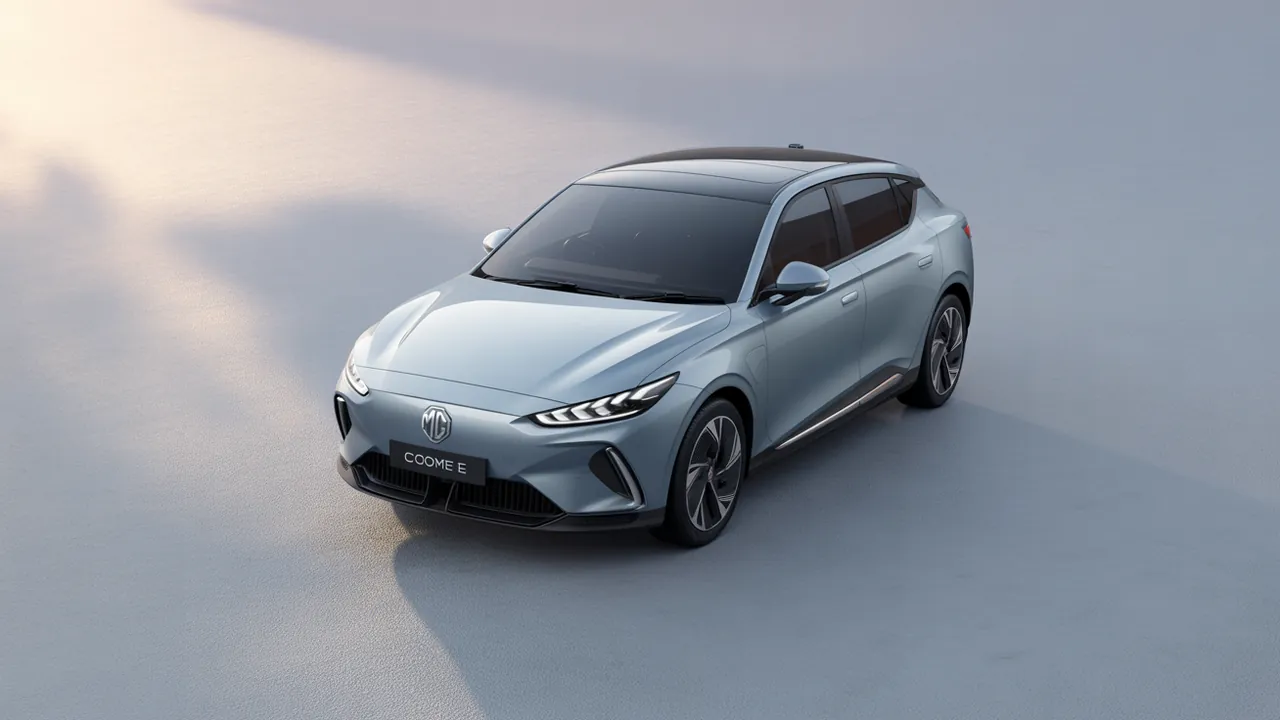
MG Comet EV 2026 targets city drivers with small footprint
The MG Comet EV 2026 is positioning itself as a city-focused electric car, aiming to meet the needs of drivers who spend most of their time in crowded urban areas. The model’s key talking points are its compact size and a claimed driving range of about 230 km on a full charge. In a market where many new electric vehicles are getting larger and more expensive, the Comet EV 2026 is presenting a different approach.
The vehicle is expected to appeal to people who want easy parking, quick trips across town, and a lower barrier to entry into electric mobility. While official final specifications can vary by region and trim, the headline figures are being used to describe the car’s intended role: a short-distance commuter designed for dense cities.
Compact design meant for tight streets and parking
One of the main reasons small cars remain popular in big cities is space. Narrow roads, heavy traffic, and limited parking make compact vehicles easier to live with. MG’s Comet EV 2026 is being discussed as a model that fits into these conditions, offering a smaller footprint than typical hatchbacks and compact SUVs.
A short body length can make common tasks simpler, such as turning into small lanes, fitting into short parking spots, and maneuvering in basement or multi-level parking structures. For many urban owners, this kind of day-to-day convenience can matter as much as outright performance numbers.
However, smaller size can also create trade-offs. Cabin space, cargo room, and rear-seat comfort can be limited compared with larger cars. For buyers who frequently carry several passengers or large bags, a compact EV may not be the best fit. The Comet EV 2026 is therefore being framed more as a personal commuter or a two-person city car rather than a primary family vehicle.
230 km driving range aimed at routine commuting
The MG Comet EV 2026 is being promoted with a stated driving range of around 230 km. This figure is likely to be used as an easy reference point for buyers who are comparing entry-level electric cars. A range in this bracket is commonly considered suitable for daily commutes, shopping runs, and other regular city travel.
In real-world conditions, EV range can change based on speed, traffic, air conditioning use, road slope, and driving style. City driving can sometimes help range because of regenerative braking and lower speeds, but frequent stop-and-go traffic and heavy climate control use can reduce it as well.
For many urban owners, the practical question is not the maximum range on paper, but how often the car needs to be charged. With a range near 230 km, some drivers may only need to top up a few times a week, depending on daily distance. Others may prefer daily charging if they have home or workplace access.
Charging expectations and daily use patterns
Charging time and convenience often shape the ownership experience more than the published range figure. City residents may not have private garages, and many depend on shared parking or street parking. This makes access to charging points a major factor for small EVs targeted at urban buyers.
MG has not been universally linked to one charging setup across all markets, so the actual charging speed and connector type can differ by region. Buyers generally look for two key things: the ability to charge at home using a standard outlet or wall box, and access to faster public charging for occasional quick top-ups.
For a city car with a modest battery, even moderate charging speeds can be workable. Smaller batteries can take less time to recharge compared with larger long-range EVs, which can be an advantage for owners who rely on slower chargers.

Urban niche: affordability and practicality over long-distance touring
The idea behind the MG Comet EV 2026, based on its positioning, is to provide electric mobility without moving into the higher price brackets of larger EVs. The “urban niche” described in the title suggests a focus on practicality and running costs rather than long-distance travel.
Many first-time EV buyers prioritize predictable city travel. They may want a second car for the household, a vehicle for short commutes, or an option for ride-hailing and delivery work where compact size is an advantage. In these cases, a 230 km range can cover a full day of typical local use.
At the same time, drivers who often travel between cities may find the range limiting, especially in areas with fewer public chargers. Planning highway trips with a smaller-range EV can require more frequent stops and stronger charging infrastructure.
Interior, tech, and comfort likely focused on essentials
Small urban EVs often focus on key features that matter in daily driving, such as simple infotainment, smartphone connectivity, and practical storage spaces. While full details can vary by trim and market, buyers in this segment typically expect a modern cabin layout, easy-to-read displays, and basic convenience features.
Because compact EVs must manage weight and cost, they can sometimes offer fewer premium materials or less sound insulation than larger vehicles. In exchange, they may deliver lower running costs, easier maneuvering, and a simpler ownership experience.
For city use, visibility and seating position can also be important. An upright stance and large windows can help in traffic and while parking. Many urban drivers also value small turning circles and light steering.

Safety and regulations remain key factors
Safety expectations for new vehicles have been rising, and city cars are not exempt. Buyers often look for basic safety equipment such as airbags, anti-lock braking systems, electronic stability control, rear parking sensors, and reversing cameras. Some also want advanced driver assistance features, though these can raise costs.
Regulations in many regions are also pushing automakers toward lower emissions and higher efficiency. Electric cars like the Comet EV 2026 can help manufacturers meet fleet targets, while also giving consumers an alternative to petrol-powered city cars.
Still, prospective buyers usually compare safety ratings, warranty coverage, and after-sales service networks. These factors can shape real-world trust in a brand and a model, particularly for newer or niche offerings.
Competition in the small EV segment is growing
The small electric car market has expanded as battery costs gradually fall and city restrictions on emissions increase. Many brands now offer compact EVs designed for short trips and easy parking. These models compete on price, range, charging convenience, reliability, and feature lists.
In this context, the MG Comet EV 2026’s 230 km range and compact size are meant to stand out as a balanced package for city living. The final impact will depend on local pricing, available incentives, and how easy it is to charge in the buyer’s area.
What the 2026 Comet EV message signals
The headline message around the MG Comet EV 2026 suggests a clear plan: focus on urban practicality, keep the vehicle small, and offer a range that covers normal city needs. It is not trying to be a long-range highway cruiser. Instead, it is being framed as a straightforward electric option for people who want a manageable car for daily use.
As more cities consider tighter parking rules and stronger emissions standards, compact EVs may have a larger role in urban transportation. For buyers, the main questions remain how the car is priced, how it performs in real traffic, and whether charging access fits their lifestyle.
FAQs
What is the claimed driving range of the MG Comet EV 2026?
The title highlights an estimated driving range of about 230 km on a full charge, though real-world range can vary based on conditions.
Who is the MG Comet EV 2026 designed for?
It is positioned as an urban-focused electric car for city commuting, short trips, and drivers who need easy parking and maneuverability.
Is a 230 km range enough for daily use?
For many city drivers, it can be enough for commuting and routine errands, but it may be limiting for frequent long-distance highway travel.
What should buyers check before choosing a small urban EV?
Buyers should consider local charging access, real-world range, safety features, warranty coverage, and total cost of ownership in their area.