Revolt RV400 2026 targets daily city riders
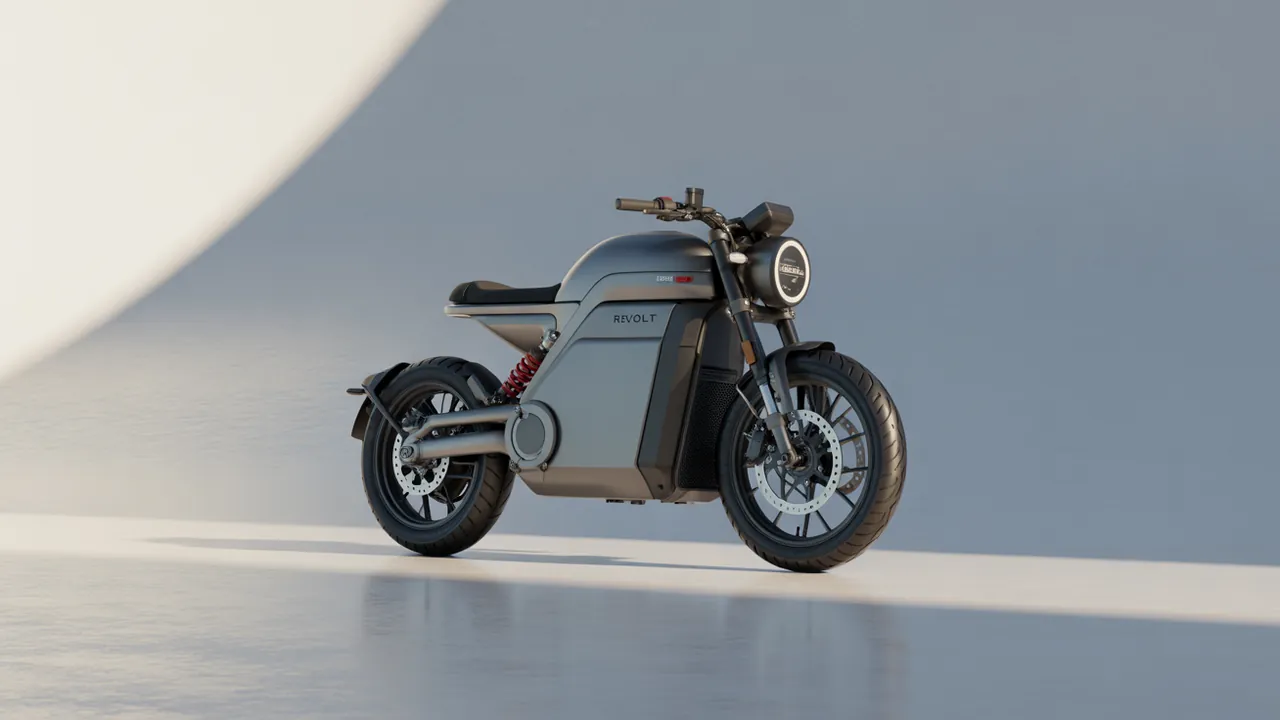
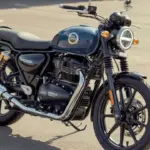
The Revolt RV400 2026 is being positioned as a practical electric motorcycle for everyday urban travel. The key talking point is a claimed city riding range of up to 150 km on a single charge. The model is aimed at commuters who want lower running costs and quieter riding while keeping the familiar look and feel of a regular motorcycle.
Electric two-wheelers have grown quickly in many markets, but buyers still focus on two main questions: range and charging time. Revolt’s latest RV400 update is framed around these concerns, especially for riders who travel short to medium distances inside cities.
150 km city range claim and what it means
The headline figure for the RV400 2026 is a claimed 150 km city riding range. In simple terms, this suggests the bike is meant to cover several days of commuting for some riders, depending on daily distance. City range usually assumes slower speeds, more braking, and frequent stops, which can change energy use compared to constant highway riding.
Range claims can differ from real-world results due to traffic, rider weight, tire pressure, road surface, speed, and use of features like strong acceleration modes. Most electric vehicle makers publish ideal numbers, while actual results vary. Still, a higher claimed city range signals a push to reduce “range anxiety,” especially for people who do not want to charge every night.
Focus on keeping electric motorcycles relevant
The RV400 2026 arrives at a time when electric scooters and lightweight EVs are competing for city buyers. Motorcycles, especially commuter models, need to show that they can match the convenience of petrol bikes for daily use. Revolt’s messaging suggests the company wants to keep electric motorcycles in the conversation, not just electric scooters.
Many riders prefer a motorcycle-style stance, larger wheels, and a more traditional road presence. Brands that offer this format are trying to convince customers that electric can fit into normal routines without major compromises.
Design and everyday usability expectations
While full official specifications may vary by market and variant, the RV400 line has typically aimed for a standard motorcycle shape rather than a scooter layout. For commuters, that can mean easier handling over rough roads, a familiar seating position, and the feeling of riding a conventional bike.
Everyday usability is also influenced by seat comfort, storage options, and ease of parking and charging. Electric motorcycles often have limited built-in storage compared with scooters, so riders may rely on backpacks or add-on luggage. For some buyers, that trade-off is acceptable if the bike offers a more motorcycle-like ride.
Charging: central issue for new buyers
Charging remains one of the biggest factors for electric two-wheelers. Riders who can charge at home have a simpler ownership experience than those who depend on public charging points. Apartment residents may face extra hurdles, such as lack of parking power sockets or restrictions on running cables.
A 150 km city range could reduce charging frequency, which may help riders who cannot plug in daily. However, charging time, charger availability, and battery warranty terms still shape purchase decisions. Buyers often compare total time spent charging with time spent refueling a petrol bike, even though many EV owners charge while sleeping or working.
Running costs and maintenance
Electric motorcycles are often promoted as cheaper to run than petrol bikes, mainly because electricity can cost less per kilometer than fuel. Maintenance can also be simpler, since electric drivetrains usually have fewer moving parts than internal combustion engines.
That said, costs depend on local electricity prices, riding style, and service policies. Battery health is another factor. Most owners watch for signs of reduced range over time, especially in very hot or very cold conditions. Brands typically address these worries with battery warranties and service plans, which are important details for potential buyers.
Performance needs for city traffic
For city riding, quick acceleration from low speeds can be more useful than high top speed. Electric motors typically provide instant torque, which can help with merging, overtaking slow vehicles, and moving away from traffic lights.
In many cities, riders also care about smooth throttle response and predictable braking. If the RV400 2026 supports multiple riding modes, riders may be able to choose between performance and efficiency depending on the route and traffic conditions.
Competition in the electric two-wheeler market
The electric two-wheeler segment includes both scooter-focused brands and motorcycle-style models. Buyers usually compare not only range and price, but also charging access, reliability, service network coverage, and resale expectations.
Traditional motorcycle companies and new EV startups are both trying to gain trust. Revolt’s approach with the RV400 series has been to offer a recognizable motorcycle product with electric benefits. The 2026 update, highlighted by the 150 km city figure, appears designed to keep the model competitive as rivals improve range and features.
Who the RV400 2026 may appeal to
The RV400 2026 is likely aimed at commuters, delivery riders, and students who travel mostly within a city. A longer claimed city range can also appeal to riders who want to take occasional longer trips without worrying about charging after every short outing.
People considering their first electric motorcycle often look for a balance of cost, ease of use, and trusted support. If pricing remains within reach of mid-range commuters, the RV400 2026 could be considered by riders switching from smaller petrol motorcycles.
What buyers will watch next
Beyond the range claim, many buyers will wait for details such as pricing, real-world test results, charging options, and warranty coverage. Availability is also key, as EV models can face supply constraints or limited dealership reach in some areas.
As cities push for cleaner transport and fuel prices remain a concern in many regions, electric motorcycles that can cover daily travel needs may attract steady interest. Revolt’s RV400 2026, with its stated 150 km city range, is being presented as one step toward making electric motorcycles a normal choice rather than a niche product.
FAQs
1) What is the claimed city riding range of the Revolt RV400 2026?
The company highlights a claimed city riding range of up to 150 km on a single charge.
2) Will the RV400 2026 achieve 150 km in real-world riding?
Real-world range can vary with speed, traffic, rider weight, road conditions, and riding mode, so actual results may be different from the claim.
3) Why is city range important for an electric motorcycle?
City range affects how often a rider needs to charge and can reduce concerns about running out of battery during daily commuting.
4) What should buyers check besides range?
Buyers often review charging time, charging access, warranty terms, service network support, and overall running costs before deciding.