Ultraviolette F77 2026 draws attention with range and performance
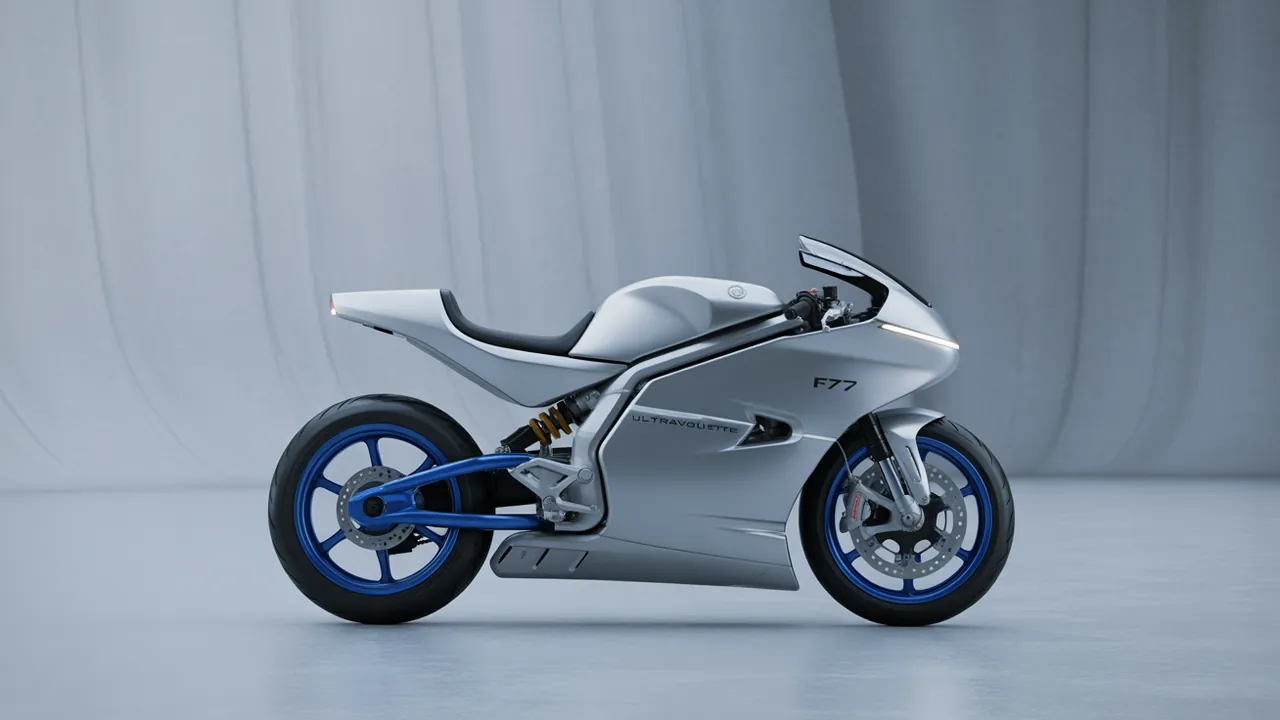
Ultraviolette has brought fresh attention to India’s electric two-wheeler market with the F77 2026. The motorcycle is being discussed nationwide for two main reasons: a claimed range of up to 307 km and a clear focus on performance. The company positions the model as a premium electric motorcycle aimed at riders who want speed, strong acceleration, and longer rides between charges.
The F77 line has already been known as a sporty electric bike. With the 2026 version, the spotlight is again on usable range and highway-ready power. Industry watchers say the model arrives as more buyers consider electric options, while still expecting the feel and capability of a petrol-powered performance bike.
What the 307 km range claim means
The headline figure is the claimed 307 km range. Such numbers often depend on test standards, riding style, traffic, speed, and weather. In city use, electric motorcycles can sometimes deliver better results because of lower average speeds and frequent braking. On open roads, range can reduce as the motor works harder at sustained speeds.
For buyers, the number matters because it affects daily planning and long-distance confidence. A longer claimed range can reduce “range anxiety” and may also help riders who do not have easy access to charging at home or at work. It can also support inter-city travel with fewer charging stops, though real-world outcomes will vary.
The 307 km figure has helped the F77 2026 stand out in online discussions and showroom interest, especially as the market compares electric motorcycles on both performance and practical running.
Performance focus remains central
Ultraviolette continues to market the F77 as a performance-first electric motorcycle, not just a commuter. In the premium EV segment, buyers often expect quick acceleration, stable handling, and a sporty ride. Performance focus typically includes a strong motor setup, responsive throttle mapping, and a chassis that can handle higher speeds and sharper cornering.
This approach can attract riders who might otherwise stay with internal combustion motorcycles for their “fun factor.” It also reflects a broader trend: electric vehicles are not only about saving fuel costs, but also about delivering instant torque and modern tech features.
Because the F77 is positioned as a sporty model, attention also stays on ride dynamics such as braking performance, suspension tuning, and overall balance. Many potential buyers look for a motorcycle that feels planted at speed and predictable in traffic, while still offering excitement on open stretches.
Design and road presence
The F77 2026 is expected to appeal to riders who like sharp, modern styling. Electric motorcycles often have different proportions than petrol bikes, and brands use this to create a fresh look. The F77 line has typically featured an aggressive stance, a sporty tail section, and a design that signals it is not a basic commuter.
Road presence matters in the premium category. Riders paying more often want a bike that looks distinctive and feels special. A strong design can also help a new electric brand compete for attention against established petrol models.
In many Indian cities, where traffic includes a mix of scooters, commuter motorcycles, and premium bikes, a bold-looking EV can stand out quickly. This can be a factor for buyers who want something different from the usual options on the road.
Charging, daily use, and ownership expectations
Range is only one part of daily usability. Buyers also pay attention to charging time, charging options, and service coverage. Electric motorcycle owners commonly ask if they can charge at home, what kind of socket or setup is needed, and how reliable public charging is along their routes.
A long claimed range can reduce how often a rider needs to plug in, but charging convenience still matters. For many owners, overnight home charging is the simplest routine. For others, workplace charging or public chargers become important, especially in apartments where installing charging equipment can be harder.
Owners also consider battery warranty terms, software updates, and service intervals. Electric motorcycles generally have fewer moving parts than petrol bikes, but they rely heavily on electronics, battery management, and software. This shifts the ownership conversation from engine servicing to system health, diagnostics, and long-term battery performance.
Technology features and connected riding
Premium electric motorcycles often come with a tech-heavy package. Riders expect digital displays, ride modes, and safety features. Many also look for smartphone connectivity, navigation support, and app-based tracking. These features can improve daily convenience and offer more insight into riding efficiency.
Software can also play a role in how the motorcycle feels. Ride modes can change throttle response and power delivery. Regenerative braking settings can affect how the bike slows down when the rider rolls off the throttle. These are details that can influence comfort in traffic and control on open roads.
As the electric two-wheeler market grows, buyers increasingly compare models not only by motor power and range, but also by the quality of the user interface and the reliability of connected services.
Market position and national interest
The F77 2026 is being watched because it sits in a segment that is still developing in India: premium, performance-oriented electric motorcycles. Most electric two-wheelers on the road are scooters and commuter-focused bikes. A performance model with a long claimed range draws attention from enthusiasts as well as from first-time EV buyers who want a single vehicle that can handle both city duties and longer rides.
National interest also comes from changing fuel prices and growing awareness of electric alternatives. Some riders are interested in the lower running costs of EVs, while others are drawn to instant torque and modern styling. A model like the F77 2026 tries to serve both groups, though its performance positioning suggests it is more aimed at enthusiasts and premium buyers.
The competitive landscape is also shaping buyer expectations. More brands are working on higher-performance electric motorcycles, and consumers now expect better range, improved charging access, and stronger service networks. This makes each major update or new model announcement important for the category.
What to watch next
For interested buyers, the main questions will be how the claimed 307 km range translates to real-world use, and how the performance feels across different riding conditions. Riders will also look at pricing, variant options, and the availability of test rides in major cities.
Service reach and parts availability will be closely watched as well. Premium electric motorcycles need strong after-sales support to build confidence. If the ownership experience matches the performance promise, the F77 2026 could help push the premium electric motorcycle segment further into the mainstream discussion.
FAQs
1) Is the 307 km range on the Ultraviolette F77 2026 a real-world number?
It is a claimed figure and can vary based on speed, traffic, rider weight, road conditions, and weather. Real-world range is often lower at sustained high speeds.
2) Who is the Ultraviolette F77 2026 meant for?
It is aimed at riders who want a premium electric motorcycle with sporty performance and the ability to cover longer distances between charges.
3) What factors besides range should buyers consider?
Charging convenience, charging time, service coverage, battery warranty, software features, and overall ride comfort are key factors.
4) Why is the F77 2026 getting nationwide attention?
The combination of a performance-focused positioning and a claimed 307 km range has made it a standout topic in India’s growing electric two-wheeler market.