Hero Vida V1 2026 adds a longer-range option to the electric lineup
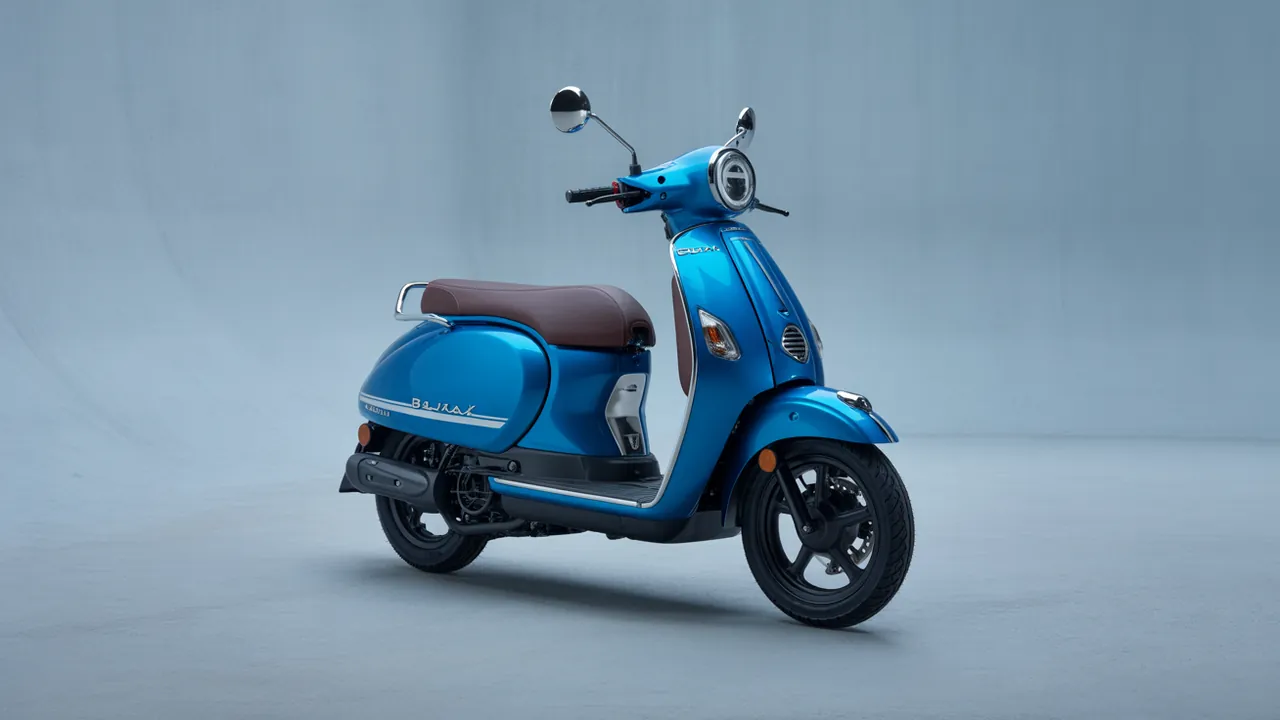
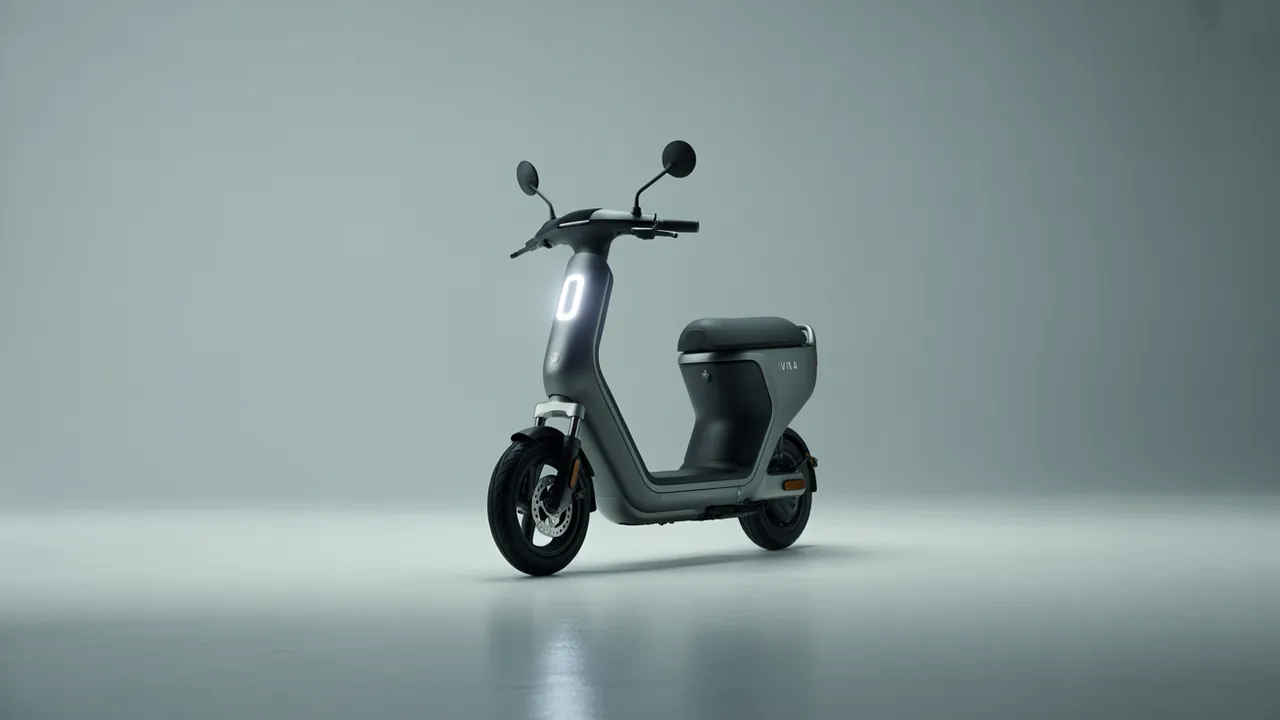
Hero MotoCorp has expanded its electric two-wheeler range with the Hero Vida V1 2026. The updated model is positioned as a practical urban scooter with a focus on connected features and improved everyday usability. The company says the scooter can deliver up to 165 km of range, depending on the variant and riding conditions.
The Vida sub-brand has been used by Hero to push its electric plans in India, where demand for electric scooters is growing. Buyers in many cities are looking for lower running costs, simpler maintenance, and more options in the mid-price segment. The Vida V1 2026 is aimed at that audience, combining a familiar scooter layout with new technology features.
Range claim highlights the update
The biggest headline number for the Hero Vida V1 2026 is the claimed 165 km range. This figure is typically measured under standard test conditions. Real-world results can vary based on speed, road surface, tyre pressure, rider weight, and use of features such as regenerative braking.
In daily use, electric scooter buyers often track how many kilometres they can travel between charges while commuting. A higher range claim can reduce “range anxiety,” especially for people who may not have charging points at every destination. For many riders, a scooter that can cover several days of short trips on a single charge is a key selling point.
Smart features focus on connectivity and convenience
Along with the range headline, Hero is emphasizing smart features in the 2026 Vida V1. Connected functions have become common in electric scooters, and they are increasingly used to separate one model from another. These features may include phone pairing, navigation support, ride statistics, and remote monitoring through an app.
Such tools are designed to help owners keep track of battery status, find the scooter in crowded parking areas, and plan routes with charging in mind. For some users, connected features also add a sense of security, especially when combined with alerts and tracking support.
Hero has not positioned the Vida V1 2026 as a gadget-only product. The brand messaging suggests the digital features are meant to support normal commuting, rather than replace traditional controls. This approach may appeal to buyers who want modern functions but still prefer a simple riding experience.
Battery approach and charging expectations
Electric scooters in this category usually rely on lithium-ion battery packs. Depending on the model, batteries can be fixed in place or removable. Removable packs can make it easier for apartment residents to charge at home, while fixed packs can simplify scooter structure and weather protection.
Charging time is an important factor for buyers comparing scooters. Many riders charge overnight at home, while others depend on workplace charging or public stations. Manufacturers typically provide different charging options, such as standard chargers for daily use and faster solutions for quicker top-ups, though availability can depend on location and infrastructure.
Hero has been building charging and service support under the Vida brand in several markets. For a new or updated electric scooter, buyers often consider how easy it will be to access service, parts, and charging help in their city.
Design and everyday practicality
The Vida V1 2026 continues the general electric scooter format aimed at city riding. This means a step-through frame, a flat floorboard area, and a riding posture designed for comfort over short and medium distances. For many commuters, ease of use matters as much as performance numbers.
Storage and practical details can also influence purchase decisions. Under-seat space, hooks for bags, and usable foot space are small elements that can matter during daily grocery runs and office commutes. Electric scooters often use their compact drivetrain packaging to create more storage room, although battery placement can affect this.
Weight distribution is another everyday concern. A scooter that feels balanced at low speeds can be easier to handle in traffic and while parking. Manufacturers often tune chassis and suspension for potholes and uneven roads, especially in markets where road conditions vary widely.
Urban performance and ride feel
Electric scooters are known for instant torque, meaning they can accelerate smoothly from a standstill. This can help riders merge into traffic quickly and reduce the effort needed in stop-and-go conditions. The Vida V1 2026 is expected to target the same urban use case, where quick responses at city speeds are more important than top-end performance.
Ride modes are also common in this segment. Different modes can adjust power delivery and energy use. A conservative mode may extend range, while a sport mode may deliver quicker acceleration. Regenerative braking is another feature often used to recover energy during deceleration, though the gain depends on riding style and traffic patterns.
For many owners, the key is predictable performance. Smooth throttle response, stable braking, and consistent battery behavior can make an electric scooter feel more natural, especially for riders switching from petrol models.
Position in a competitive electric scooter market
The electric scooter market has become more crowded in recent years, with both start-ups and established manufacturers offering multiple options. Buyers now compare not only price and range, but also software support, warranty coverage, and service reach.
Hero’s Vida line is one of the company’s main answers to this shift. The Vida V1 2026, with its claimed 165 km range and smart feature set, is intended to strengthen its position in a segment where customers expect regular updates and clear improvements over earlier versions.
In this market, brand trust and service access can be decisive. A product may look strong on paper, but buyers also want assurance that batteries, electronics, and body panels will be supported for years. Companies are also under pressure to provide quick turnaround times for repairs, especially when scooters are used as primary transport.
Availability and what buyers will watch next
As the Hero Vida V1 2026 rolls into the spotlight, potential buyers are likely to watch for variant details, pricing, and delivery timelines. Many will also look for independent road tests to understand real-world range in mixed traffic conditions.
Another area of interest will be software reliability. Connected features are useful only when they work smoothly, and owners often judge an electric scooter by app stability, update support, and the ease of pairing with different phones.
With the Vida V1 2026, Hero is signaling that electric scooters are a long-term focus. The emphasis on higher range and smart tools reflects broader customer demand: fewer compromises, clearer running cost benefits, and a product that feels modern without being complicated.
FAQs
What is the claimed range of the Hero Vida V1 2026?
Hero says the Vida V1 2026 can offer up to 165 km of range under standard test conditions, with real-world range depending on riding style and environment.
What kind of smart features does the Vida V1 2026 offer?
The scooter is promoted with connected and convenience-focused features, which may include app-based functions such as battery monitoring, navigation support, and ride data, depending on the variant.
Why does real-world range differ from the claimed figure?
Range can change due to speed, traffic, road quality, tyre pressure, rider load, temperature, and how often riders use strong acceleration or high-power modes.
Who is the Hero Vida V1 2026 aimed at?
It is aimed at city riders and commuters who want an electric scooter with a higher range claim, everyday practicality, and modern connectivity features.