Mercedes-Benz C-Class 2026 targets executive buyers
The Mercedes-Benz C-Class for 2026 is being positioned as a practical luxury sedan and wagon aimed at executives and business users. The update focuses on a more refined exterior look and a cabin that puts modern screens and software at the center of the driving experience. Mercedes-Benz has not framed the model as an all-new generation. Instead, the approach is closer to an evolution, keeping the C-Class identity while adding new design and technology details.
In many markets, the C-Class sits between smaller entry models and larger executive cars like the E-Class. That makes it important for buyers who want comfort and brand image without moving into a bigger and more expensive vehicle. The 2026 update appears to follow that logic, with changes meant to improve everyday usability and perceived quality.
Refined design with a cleaner, more upscale look
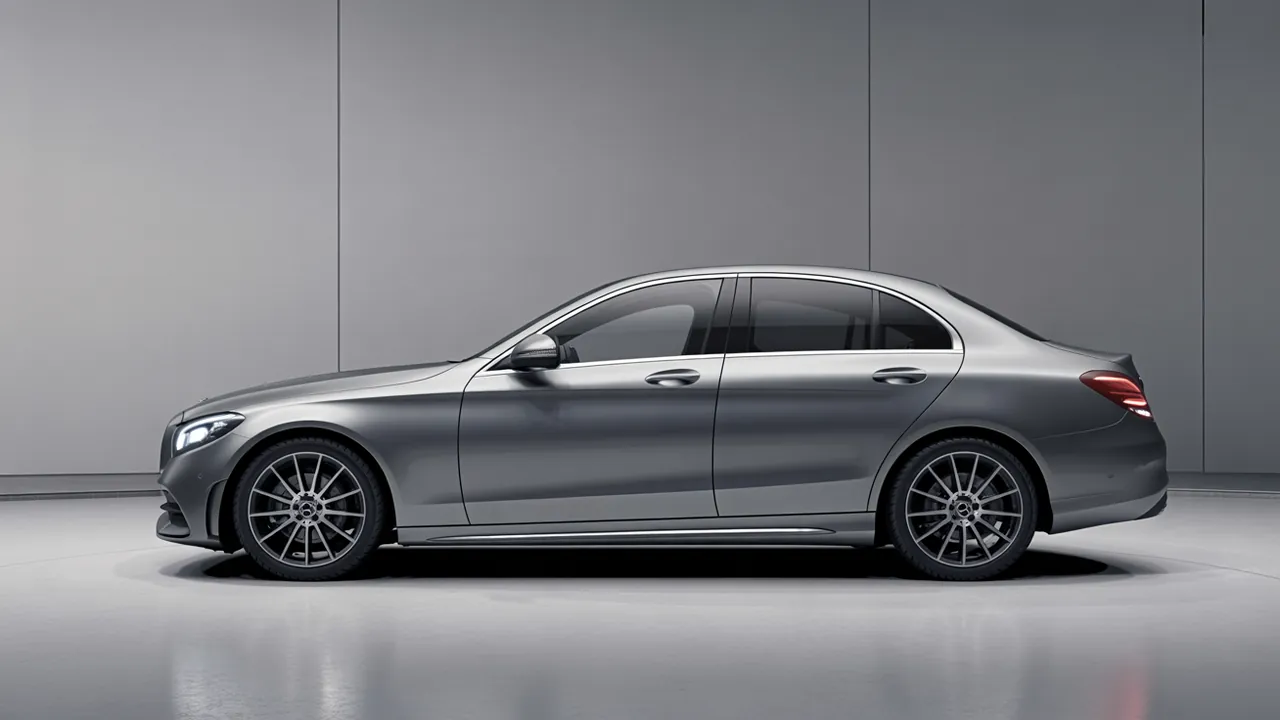
For 2026, the C-Class leans into a cleaner and more polished design. The front end is expected to carry updated lighting signatures and a more modern face, with a reshaped grille and revised bumper details depending on trim level. These changes are typically subtle on the C-Class, but they are meant to help the car look current next to newer rivals.
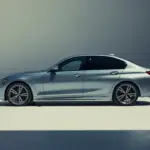
The side profile remains familiar, keeping a long hood and short rear deck. Wheel designs are expected to be refreshed, with new patterns and finishes that signal a higher-end feel. Many buyers in the executive segment pay attention to details like wheel style and paint options, especially for company cars and lease vehicles.
At the rear, updates usually focus on taillight graphics and small changes to the bumper and trim pieces. The goal is not to change the shape of the car, but to improve the impression of precision and modernity. Mercedes-Benz typically uses small styling adjustments to make a model look fresh while maintaining strong resale recognition.
Modern cabin tech becomes the main story
The cabin is expected to be the most noticeable area of change for the 2026 C-Class. Mercedes-Benz has been moving toward larger displays, more connected services, and software-based features across its lineup. For executive users, these systems matter because the car is often an extension of the office, with navigation, calls, messages, and calendar-like functions used during daily travel.
The C-Class already uses a screen-heavy layout in recent versions, with a central touchscreen and a digital instrument cluster. For 2026, the focus is likely on improved graphics, faster response, and expanded integration for phones and apps. Mercedes also continues to develop its MBUX infotainment system, which supports voice commands and personalized settings.
In many markets, buyers also expect over-the-air updates, which allow software improvements without a dealership visit. This can include bug fixes, new features, and system refinements. While availability can vary by region, the trend in the segment is to keep the car’s tech feeling new longer than before.
Comfort, materials, and executive-friendly layout
Mercedes-Benz is known for emphasizing cabin comfort, and the C-Class is designed to feel like a smaller version of the brand’s larger sedans. The 2026 model is expected to continue that theme with an interior that mixes soft-touch materials, metallic accents, and carefully shaped surfaces. Small improvements in trim alignment, switch feel, and seat materials can make a difference for drivers who spend many hours behind the wheel.
Seating is a key factor for executive buyers. Many want supportive front seats that work for long commutes and frequent highway use. Depending on the market and trim level, features may include seat heating, ventilation, memory settings, and multi-way adjustments. Mercedes typically offers different seat designs, from standard comfort seats to more sport-focused versions.
Rear-seat space remains important for buyers who sometimes carry colleagues or clients. The C-Class is not a full-size executive sedan, but it aims to offer a comfortable second row for short to medium trips. Practical details like rear air vents, USB ports, and easy-to-use door storage can matter as much as luxury branding.
Driver assistance and safety systems
The 2026 C-Class is expected to continue offering a broad set of driver assistance features. These systems are increasingly important in the executive segment, both for safety and for reducing fatigue in traffic. Common features in this class include adaptive cruise control, lane-keeping assistance, blind-spot monitoring, and automatic emergency braking.
Mercedes-Benz often packages these systems in option groups, and availability can depend on trim and region. Buyers who use their cars for work travel often look for reliable assistance features that operate smoothly rather than aggressively. The industry has also been moving toward more advanced parking aids and 360-degree camera systems, which help in tight urban spaces.
Safety engineering also includes the structure of the vehicle, airbag systems, and crash performance. While specific test results depend on the exact version sold in each market, the C-Class has historically been designed to meet high safety expectations in the premium segment.
Powertrains and efficiency expectations
Mercedes-Benz has not always used the same engines and electrified systems in every country, but the general direction for the C-Class has been toward improved efficiency. Many versions in recent years have used turbocharged engines, often paired with mild-hybrid technology to support smoother stop-start operation and stronger low-speed response.
For 2026, buyers can expect a similar approach, with refined tuning aimed at balancing performance and fuel economy. In the executive market, many customers prefer a powertrain that feels quiet and confident in daily use, rather than one tuned only for sporty driving. Smooth automatic transmissions and predictable throttle response are often high priorities.
Plug-in hybrid variants may remain part of the lineup in certain regions, especially where tax rules and fleet policies encourage them. These models can offer short electric-only driving ranges for city trips while keeping a gasoline engine for longer travel. However, charging infrastructure and local incentives can strongly shape demand.
Ride quality, noise control, and daily usability
Refinement is a key reason executives choose premium cars, and Mercedes-Benz generally pays close attention to ride comfort and cabin quietness. The C-Class aims to reduce road noise and wind noise, which helps drivers stay relaxed during long highway runs. For 2026, updates may include small changes to insulation, tires, or suspension calibration, depending on version.
Wheel size and suspension type can influence comfort. Sport trims with larger wheels can look more aggressive but may feel firmer over rough roads. Many executive buyers prefer balanced setups that keep the car stable at speed without making urban driving harsh.
Practical features also matter in daily use. These can include a large enough trunk for luggage, a split-folding rear seat for longer items, and smart storage for phones and small accessories. Connectivity features, including multiple charging options, are increasingly important for people who work from their car between meetings.
Market position and competition
The 2026 C-Class continues to compete in a crowded premium segment. Key rivals often include the BMW 3 Series and the Audi A4, along with alternatives from brands such as Lexus and Volvo in certain markets. In this class, buyers tend to compare design, technology, comfort, and leasing costs as much as outright performance.
Mercedes-Benz appears to be focusing on the areas that influence first impressions and daily satisfaction. Refined styling helps the car look appropriate in professional settings. Modern cabin tech helps the C-Class keep pace with consumer expectations around screens, apps, and digital services.
Pricing, trim strategy, and availability will vary by region. Fleet and company-car buyers will also watch running costs, warranty coverage, and service plans. These factors can be as important as horsepower figures for the executive audience Mercedes-Benz is targeting.
What to expect from the 2026 update
The 2026 Mercedes-Benz C-Class is shaped by a clear message: maintain the familiar premium feel while improving design details and in-car technology. The model is expected to appeal to executives who want a refined, brand-forward vehicle for commuting, client visits, and business travel.
As more information becomes available, attention will likely focus on the exact equipment levels, software features, and powertrain offerings in each market. For many buyers, the key question will be how well the updated C-Class combines comfort and modern tech without becoming complicated to use.
FAQs
Is the 2026 Mercedes-Benz C-Class an all-new model?
It is expected to be an update rather than a full redesign, with refinements to styling and cabin technology.
What are the main changes for executive buyers?
The focus is on a cleaner exterior design, improved interior materials, and upgraded infotainment and connectivity features.
Will the 2026 C-Class offer electrified powertrains?
Many markets are expected to continue offering mild-hybrid engines, and some may offer plug-in hybrid versions depending on local demand and rules.
How does the C-Class compete with rivals in its segment?
It competes on brand image, comfort, modern cabin technology, and driver assistance features against models like the BMW 3 Series and Audi A4.