Citroën eC3 2026 draws interest in the budget EV space
The Citroën eC3 2026 is gaining attention as a lower-cost electric car option, helped by a claimed driving range of up to 320 km. Interest has grown as buyers in many markets look for simpler, more affordable EVs that still cover daily commuting and short trips without frequent charging.
The model sits in the small-car segment and is being discussed as a practical choice for city use. While final specifications can vary by country and trim, the headline figure being repeated in early coverage is the 320 km claimed range, which positions it as competitive among entry-level electric vehicles.
Why the 320 km claimed range matters
Range is one of the first numbers many buyers check when comparing EVs. A claimed 320 km range suggests that the eC3 could handle a full week of typical urban driving for some owners, depending on mileage and charging access.
However, “claimed range” usually refers to a standardized test cycle rather than real-world results. Real range can change based on speed, outside temperature, driving style, passenger load, tire choice, and the use of air conditioning or heating. In colder weather, many EVs show a noticeable drop in range, especially on short trips.
Even with those limits, a figure around 320 km can reduce “range anxiety” for first-time EV buyers. It may also make the car more appealing to drivers who do not have home charging and rely on public charging points.
Positioned as an affordable electric car
Affordability is central to the attention around the Citroën eC3 2026. Many EVs remain out of reach for budget-focused buyers, especially when compared with small petrol cars. Automakers have been under pressure to introduce electric models with lower entry prices and simpler specifications.
Citroën has built a reputation for offering value-oriented vehicles in Europe and other regions. A budget EV from a mainstream brand can attract customers who want predictable running costs, lower local emissions, and easier city driving, but cannot justify paying for premium features.
As with any vehicle, the final purchase price will depend on local taxes, incentives, import duties, and trim levels. In some countries, government support can reduce the cost gap between EVs and petrol cars. In other places, fewer incentives can make affordability a bigger challenge.
What is known so far about the Citroën eC3 2026
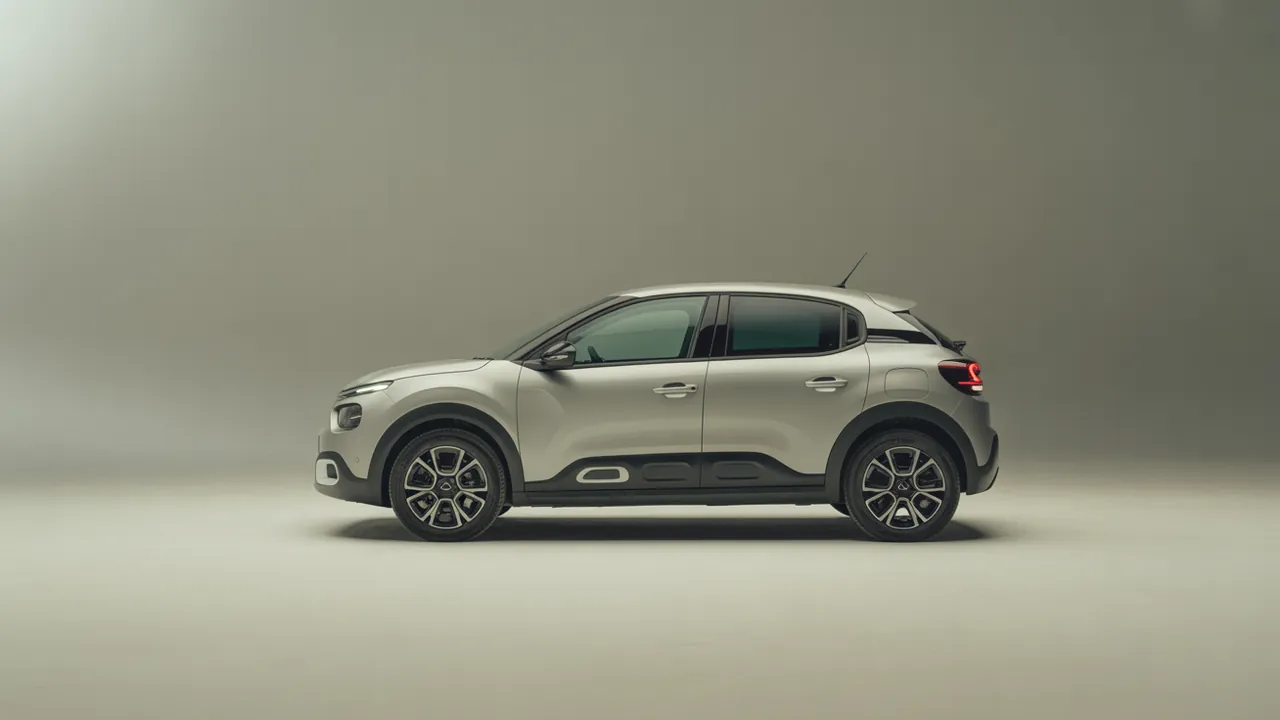
Early reports focus on the eC3’s role as a compact electric hatchback aimed at everyday use. The main talking point is the claimed 320 km range, which is often linked to an efficiency-focused setup rather than high performance.
Some details may be confirmed closer to market launches in specific countries. Automakers often adjust equipment lists, battery sizes, and charging features based on local demand and pricing targets. For that reason, buyers and fleet operators are likely to watch official announcements carefully before making decisions.
Citroën has not been alone in targeting the lower-cost EV category. Rival brands have been working on small electric cars designed to meet city and suburban needs, with a focus on price, practicality, and acceptable range.
Everyday practicality and target customers
The eC3 is expected to appeal to drivers who mostly travel in urban areas. Compact EVs can be easier to park, easier to maneuver, and cheaper to run than larger vehicles, especially when electricity prices remain competitive compared with fuel.
For many households, a small EV becomes a second car used for commutes, school runs, and errands. That role can fit well with a 320 km claimed range, since many owners drive far less than that between charges.
The car may also interest ride-hailing drivers and delivery services, depending on local charging infrastructure. Fleet buyers often look at total cost of ownership, including energy use, service schedules, and expected resale value.
Charging expectations and infrastructure questions
Range is only part of the EV equation. Charging speed and charging access are also key. Public charging networks have expanded in many regions, but coverage can still be uneven outside major cities and highways.
Potential buyers will likely want clear information on home charging compatibility and whether the car supports faster charging for longer trips. A lower-priced EV may prioritize cost control, which can mean more basic charging hardware compared with higher-end models.
In day-to-day use, many drivers rely on overnight charging at home or at work. For them, even moderate charging speeds can be acceptable. For drivers without home charging, the convenience and reliability of public chargers can matter as much as the range number.
How claimed range is measured
When an automaker publishes a range figure, it is commonly based on a recognized test procedure. In Europe, this is often the WLTP test cycle. Other markets use different methods, such as EPA testing in the United States, which tends to produce different results.
This means a “320 km” figure should be compared carefully. Two cars with similar battery sizes can show different claimed ranges based on weight, aerodynamics, tires, and drivetrain efficiency. And the same car can show different results under different standards.
Consumers often look for independent road tests to understand likely real-world range. Those tests can also reveal how the car behaves at highway speeds, where energy use usually rises.
Market competition in the small EV category
The small EV market is becoming more crowded as companies try to attract mass-market buyers. Some brands emphasize low prices, while others compete on technology features, fast charging, or advanced driver-assistance systems.
Citroën’s approach appears to focus on simple, practical transport. That strategy can work if the car delivers a comfortable ride, a usable cabin, and predictable real-world efficiency.
Analysts also note that supply chains and battery costs influence pricing. If battery prices continue to stabilize or fall, more affordable models could become easier to produce at scale.
What buyers will likely watch next
As attention grows around the Citroën eC3 2026, buyers will likely look for confirmed details on battery capacity, charging times, warranty terms, and equipment levels. Safety ratings and driver-assistance features can also influence purchasing decisions, especially for family use.
They may also compare running costs, including electricity prices in their area, insurance rates, and service plans. While EVs can have lower maintenance needs than combustion cars, costs vary by brand and market.
For now, the eC3’s appeal is tied to the combination of an affordable positioning and a 320 km claimed range. If the real-world results are close enough for everyday needs, the model could strengthen Citroën’s place in the entry-level EV discussion.
FAQs
What is the claimed range of the Citroën eC3 2026?
Reports highlight a claimed driving range of up to 320 km, depending on version and test standard.
Will the Citroën eC3 2026 really drive 320 km on a charge?
Real-world range may be lower or higher based on speed, weather, terrain, and use of heating or air conditioning. Claimed range is usually based on a standardized lab test.
Why is the eC3 being called an affordable EV?
The model is being discussed as a budget-focused electric car aimed at everyday city driving, offering a mainstream-brand alternative to higher-priced EVs.
What key details are still important for buyers to confirm?
Buyers will likely wait for official figures on battery size, charging speed, warranty coverage, trim equipment, and final pricing in their local market.