Harley-Davidson Fat Boy 2026 keeps a familiar shape
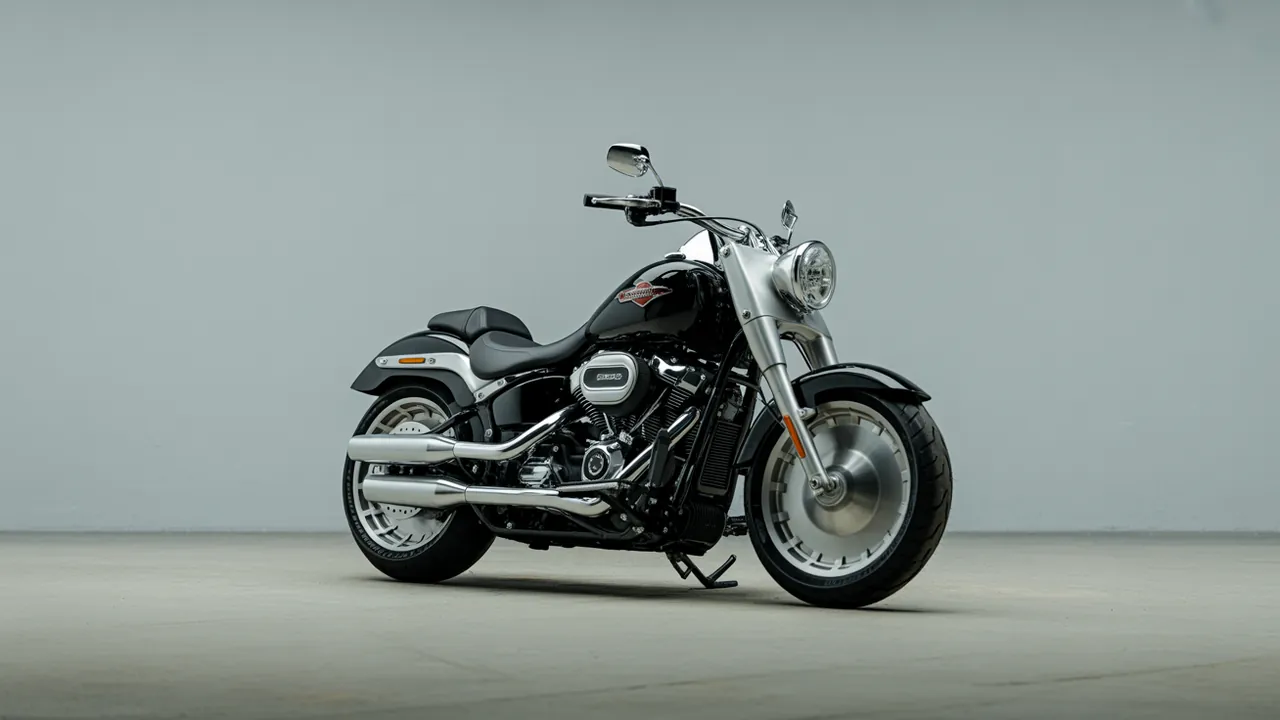
The Harley-Davidson Fat Boy returns for 2026 with a look and reputation that remain closely tied to the model’s long history. The motorcycle is still positioned as a heavyweight cruiser with a strong road presence. Harley-Davidson continues to market it as a premium product, aimed at riders who want a bold design, a large stance, and a well-known name.
While the company has not framed the 2026 Fat Boy as a full redesign, it is presented as an evolution of an established formula. That approach reflects the Fat Boy’s role in Harley-Davidson’s lineup. It is a model where brand identity and styling carry as much importance as raw specifications.
Design focus: wide stance and strong visual identity
The Fat Boy is recognized for its muscular proportions, broad profile, and clean, solid surfaces. For 2026, the bike continues to highlight those traits. The overall silhouette remains low and heavy, with a large front end and substantial bodywork that emphasizes width.
Harley-Davidson’s design direction for the Fat Boy typically prioritizes a “machined” and polished look, and the 2026 model continues the premium theme. Surface finishes, metal detailing, and paint quality are central to the bike’s appeal in this segment, where buyers often expect a strong visual statement.
From a market perspective, this matters because large cruisers are often purchased for style and presence as much as for daily practicality. The Fat Boy’s continued emphasis on bold design places it in direct competition with other high-end cruisers that rely on heritage branding and distinctive styling.
Road presence remains a key selling point
Harley-Davidson’s messaging around the 2026 Fat Boy highlights “road presence,” a phrase often used to describe the way a motorcycle looks and feels in traffic. The Fat Boy’s size and stance contribute to that image. A long wheelbase, wide tires, and a heavy overall build are typically associated with a planted feel on straight roads.
In real-world riding, a large cruiser can feel stable at highway speeds, especially for riders who prefer relaxed cruising over aggressive cornering. At the same time, heavier motorcycles can require more effort at low speeds, such as in parking lots or tight turns. Many buyers accept that trade-off because the riding experience and style match their goals.
For 2026, Harley-Davidson appears to keep the Fat Boy aligned with that traditional cruiser role. The model continues to target riders who want an attention-grabbing bike for city streets and long, open roads.
Premium appeal and the expectations that come with it
The “premium appeal” attached to the 2026 Fat Boy points to more than just the brand name. In this class, premium can mean paint and finish quality, fit and alignment of panels, and the overall sense of craftsmanship. It can also mean a higher level of standard equipment, depending on the specific trim and market.
Harley-Davidson’s premium positioning also reflects its pricing strategy. Models like the Fat Boy often sit at a higher price point than entry-level cruisers. Buyers in this segment may be looking for a flagship feel, even if they do not plan to modify the bike heavily.
However, the Fat Boy is also part of a culture where customization is common. Many owners add accessories, change exhaust systems where legal, adjust seating, or add touring parts. Harley-Davidson’s accessory ecosystem is a major part of its business. A premium base model can act as a platform for those upgrades.
Comfort, ergonomics, and everyday usability
Cruisers like the Fat Boy are usually designed with a relaxed seating position. Riders often sit low, with forward or mid-mounted foot controls depending on configuration. This posture can be comfortable for steady cruising and short commutes, though it may not suit every rider’s height or preferred riding style.
The 2026 Fat Boy continues to serve riders who value a laid-back ride. A wide seat and a low seat height are commonly part of the Fat Boy identity, helping some riders feel secure at stops. At the same time, the wide and heavy build can make the bike less convenient in dense urban use, where quick lane changes and tight U-turns are common.
Wind protection is another practical point. Many cruisers in this style are sold without large windscreens. Riders who spend a lot of time on highways often add accessories to improve comfort. Harley-Davidson and third-party suppliers typically offer options for that need.
Performance themes: torque-focused cruising
Harley-Davidson’s big cruisers are generally tuned for strong low-end torque rather than high-rev horsepower. That usually supports the riding style many buyers expect: smooth pull-away from a stop, steady acceleration at city speeds, and relaxed highway passing without frequent gear changes.
For the 2026 Fat Boy, the focus remains on the feeling of strength and control rather than sport performance. Riders in this category often care about engine character, sound, and smooth power delivery. Exact performance impressions can vary by rider, road conditions, and the final production specifications offered in different regions.
Fuel economy and range are also part of ownership considerations. Large-displacement cruisers can have higher fuel use than smaller motorcycles. Riders planning longer trips typically factor in fuel stops and tank capacity, along with comfort over time.
Technology and safety: modern features in a classic package
Motorcycle buyers increasingly expect modern technology even in retro-styled models. Depending on the final 2026 specifications and the market, features may include updated lighting, rider aids, and instrumentation designed to fit the Fat Boy’s classic look.
In many regions, safety and emissions rules continue to shape motorcycle design. Manufacturers often refine engines and onboard systems to meet new standards while keeping performance and sound within legal limits. Harley-Davidson has been navigating those demands across its lineup, and the 2026 Fat Boy fits into that broader industry trend.
As with many premium motorcycles, availability of certain features may vary by country or by optional packages. Buyers often need to confirm what is standard and what is optional in their local market.
Market position: heritage model in a changing industry
The 2026 Fat Boy arrives during a period when the motorcycle market is split between new technology and classic identity. Electric motorcycles, smaller commuter bikes, and adventure models continue to grow in visibility. At the same time, heavyweight cruisers remain a strong niche, especially among riders who want traditional styling and a well-known badge.
Harley-Davidson’s strategy with the Fat Boy appears to reinforce continuity. The model’s identity is a major part of its value. For many buyers, the appeal is not only the ride, but also the connection to Harley-Davidson’s history and the Fat Boy’s long-standing image.
Dealers and owners also play a role in the Fat Boy’s staying power. Brand communities, group rides, and strong resale interest in certain trims can support demand. That said, buyers still weigh practical issues like insurance costs, maintenance schedules, and local regulations on noise and emissions.
What to watch as 2026 models reach showrooms
As the 2026 Harley-Davidson Fat Boy reaches more markets, shoppers will likely compare it against other premium cruisers on pricing, standard equipment, and the overall ownership experience. Test rides and independent reviews typically focus on low-speed handling, highway comfort, heat management in slow traffic, and real-world fuel use.
Another key point will be availability and lead times. Premium motorcycles can face limited supply in certain regions, especially early in a model year. Buyers may also watch for factory color options, special editions, and accessory bundles that can affect total cost.
For now, the main headline remains consistent with Harley-Davidson’s message: the Fat Boy for 2026 continues as an icon-focused cruiser, aimed at riders who want a bold visual statement and a premium feel.
FAQs
Is the 2026 Harley-Davidson Fat Boy a full redesign?
Harley-Davidson presents the 2026 Fat Boy as a continuation of the established model, with an emphasis on its familiar identity rather than a complete redesign.
What does “premium appeal” mean for the Fat Boy?
It typically refers to higher-end finishes, strong visual details, brand positioning, and the expectation of a more upscale ownership experience compared with entry-level cruisers.
Who is the 2026 Fat Boy aimed at?
It is aimed at riders who want a heavyweight cruiser with a bold stance, strong brand heritage, and a style-forward presence on the road.
What should buyers check before purchasing?
Buyers should confirm local pricing, standard versus optional features, availability, and practical ownership factors such as insurance, service needs, and comfort for their typical riding routes.