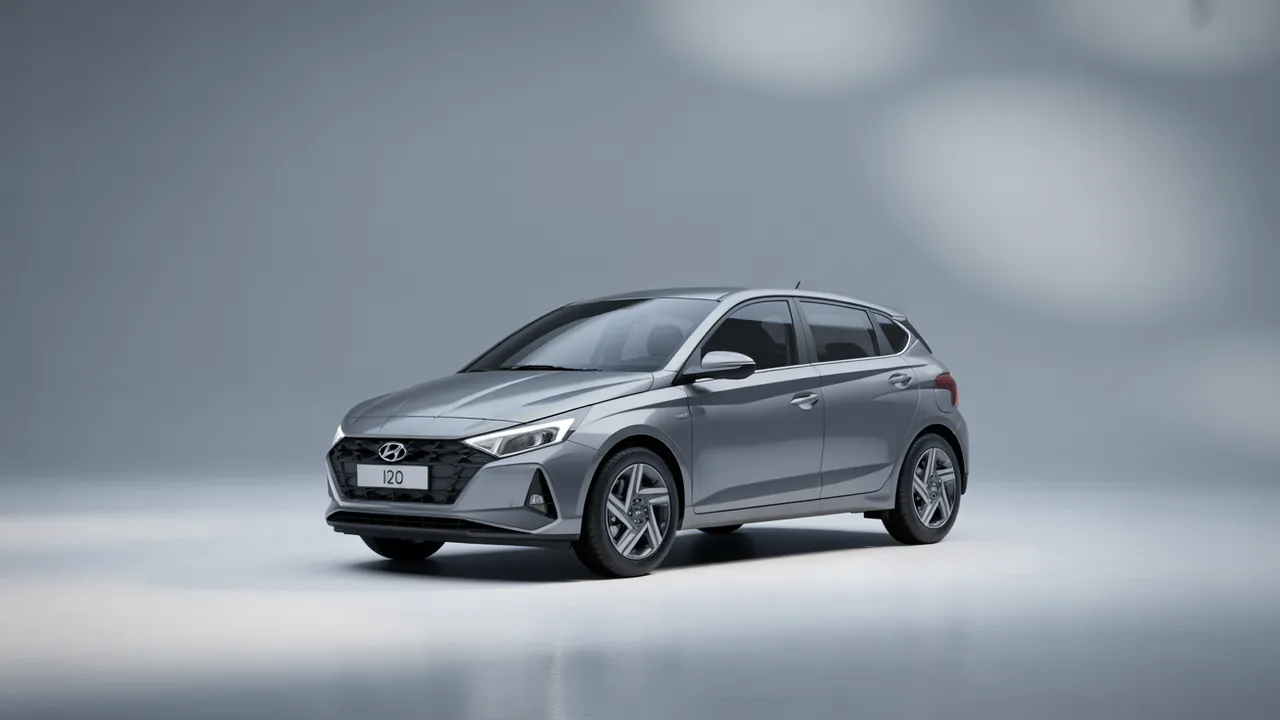
Hyundai i20 Facelift 2026 targets premium hatchback buyers
Hyundai is expected to refresh its i20 hatchback with a facelift for 2026, aiming to keep interest alive in the premium hatchback segment. The model has been a key product for buyers who want a small car with higher-end features, strong design, and a comfortable cabin. While official launch timelines and full specifications have not been confirmed, the facelift is being discussed as a timely update as buyer preference shifts toward compact SUVs in many markets.
The headline figure drawing attention is an estimated mileage of up to 20 kmpl. If achieved under official test conditions, it would place the i20 facelift among the more efficient petrol hatchbacks in its class. Industry watchers say this focus on fuel economy is important as running costs remain a major factor for urban and highway users alike.
Why the premium hatchback segment still matters
In recent years, compact SUVs have expanded quickly, and many brands have shifted marketing focus in that direction. Even so, premium hatchbacks continue to have a place, especially in cities where smaller footprints, easier parking, and lighter steering are valued. Hatchbacks also tend to offer better efficiency than taller vehicles, and their lower weight can help with performance in everyday driving.
The i20 has traditionally competed by offering features that are not always found in entry-level cars. That includes larger infotainment screens, connected technology, higher-quality materials, and a styling approach that stands out. A facelift typically helps extend the model’s lifecycle without changing the basic platform, keeping the product fresh for buyers who want the latest look and equipment.
Expected design updates: more modern, more aggressive
A mid-cycle facelift usually brings updates to the front and rear styling. For the Hyundai i20 Facelift 2026, this could mean a revised grille design, reshaped bumpers, and updated lighting elements. Many manufacturers are also moving toward sharper LED signatures, which can change the car’s appearance significantly even if the body panels stay mostly the same.
At the rear, minor changes often include a new bumper design, refreshed tail lamp graphics, and updated reflectors. Alloy wheel designs may also be new, giving the car a different stance without major structural changes. These updates are generally aimed at keeping the car aligned with the brand’s newest design language.
Cabin and features: focus on daily comfort
For premium hatchback buyers, features and cabin comfort are often as important as exterior styling. The i20 has previously offered a tech-forward dashboard layout, a modern infotainment system, and convenience features that appeal to younger buyers and families. The 2026 facelift is expected to continue that approach.
Potential updates could include improved screen responsiveness, updated software for connected car services, and new trim or upholstery choices. Car makers also use facelifts to add small but meaningful changes, such as better sound insulation, extra USB charging options, or reworked storage spaces in the center console.
Another area where buyers expect progress is safety. Depending on market and variant strategy, Hyundai could expand standard safety equipment, add more airbags on additional trims, or offer advanced driver assistance features on top variants. However, such updates depend on pricing strategy and local regulations, and details should be treated as tentative until the company confirms them.
20 kmpl mileage claim: what it could mean
The title number of 20 kmpl is the most talked-about point. Mileage figures are usually based on standardized test cycles, and real-world performance can vary depending on traffic, driving style, load, road condition, and climate. Even so, a certified figure around 20 kmpl would signal Hyundai’s intent to improve efficiency through engine tuning, transmission calibration, and possibly reduced friction or improved aerodynamics.
If the facelift retains a familiar engine family, gains could come from software updates, refined gear ratios, or new low-rolling-resistance tyres. Some brands also improve efficiency by adding idle start-stop systems more widely across the range. The final number, along with whether it applies to manual or automatic variants, will be important for buyers comparing running costs.
Powertrain expectations and driving experience
Hyundai typically offers a mix of petrol engine and transmission options in the i20 lineup, depending on the market. For a facelift, companies often keep the core powertrain choices and focus on refinement rather than major changes. That could mean smoother acceleration, better low-speed response, and improved noise control during highway cruising.
Premium hatchbacks are frequently used for a mix of city commutes and weekend highway drives. As a result, suspension tuning and steering feel matter. The i20 has been positioned as a comfortable car with a stable ride, and the facelift could aim to maintain that balance. Small changes to damping, tyre specification, or steering calibration can improve everyday comfort without adding much cost.
Competition: a tough fight as buyers look at SUVs
In many regions, the i20 competes with other premium hatchbacks, and in some cases it also competes with entry-level compact SUVs. This creates a pricing and value challenge. Buyers who have a budget for a well-equipped hatchback sometimes consider an SUV for its higher seating position and road presence.
To remain relevant, a premium hatchback needs to offer clear advantages, such as better efficiency, easier handling, and strong feature value. Hyundai’s strategy with the i20 facelift appears to lean on fuel economy and the promise of a refreshed, modern package. For buyers who do not need extra ground clearance, a hatchback can still be the more practical choice in daily urban use.
Pricing and variants: what to watch
Hyundai has not confirmed prices for the i20 Facelift 2026. Facelifts typically come with some price adjustments, especially if new features are added or equipment becomes standard on more trims. The final pricing will likely depend on how Hyundai positions the i20 against rivals and against the brand’s own small SUVs.
Variant planning will be another key factor. Buyers often choose premium hatchbacks based on feature packages, such as infotainment size, speaker upgrades, connected services, and automatic transmission availability. If Hyundai keeps a broad range of variants, it could help the i20 appeal to both value-focused buyers and those who want a fully loaded model.
Launch expectations and buyer advice
As of now, the i20 Facelift 2026 remains an expected update rather than a fully revealed product. Buyers interested in the model may want to watch for official announcements on engine options, certified mileage figures, and safety equipment. It is also useful to compare warranty coverage, service costs, and real-world fuel economy reports once the car is on the road.
For those shopping soon, the facelift news may influence decisions. Some buyers may prefer to wait for the updated model if they value the latest design and potentially improved mileage. Others may look for deals on the outgoing version if discounts become available as the new model approaches.
FAQs
1) Is the Hyundai i20 Facelift 2026 officially launched?
No. Based on available information, it is expected for 2026, but Hyundai has not confirmed full launch details in this context.
2) Will the i20 Facelift 2026 really deliver 20 kmpl?
The 20 kmpl figure is an expected or highlighted mileage claim. Final certified numbers and real-world mileage can differ and will depend on the variant and driving conditions.
3) What changes usually come with an i20 facelift?
A facelift typically brings updated bumpers, grille, lighting elements, new wheel designs, and feature updates inside the cabin, while the basic platform often remains the same.
4) Why buy a premium hatchback instead of a compact SUV?
Premium hatchbacks can be easier to drive and park in cities, often offer better fuel efficiency, and can provide strong features and comfort without the higher running costs of larger vehicles.