Jeep Wrangler 2026 Stays at the Center of Off-Road Culture
The Jeep Wrangler 2026 is arriving as one of the most recognized vehicles in off-road culture, continuing a long run of strong demand among trail users, outdoor hobbyists, and drivers who want a rugged image. Jeep is positioning the new model as an evolution of the Wrangler formula rather than a full redesign, with a focus on keeping the vehicle’s core strengths: four-wheel-drive hardware, high ground clearance, and a design that remains closely tied to earlier Wranglers.
While many SUVs have moved toward smoother, road-focused setups, the Wrangler’s identity is still tied to technical off-road use. That includes rock crawling, sand driving, muddy trails, and steep climbs that require traction and low-speed control. Jeep’s messaging around the Wrangler 2026 continues to highlight “hardcore 4×4 capability,” a phrase that reflects how the vehicle is marketed and how it is used in off-road communities.
Design That Signals Purpose
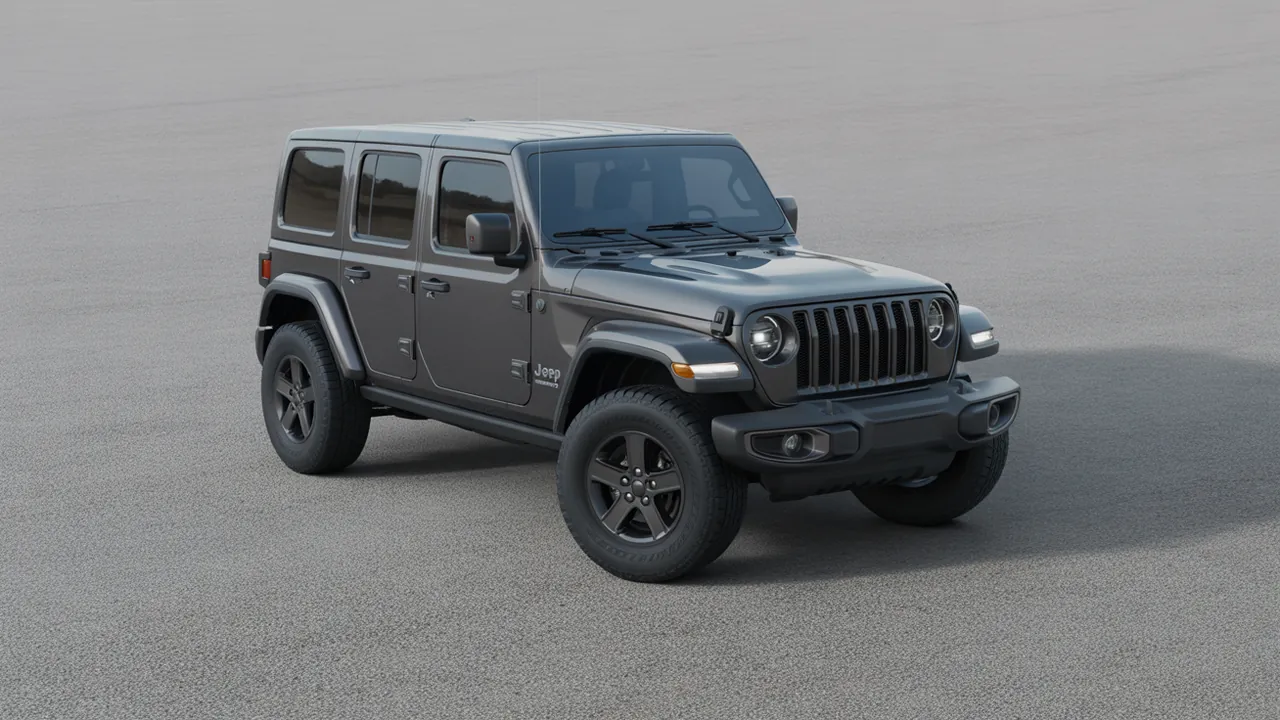
The Wrangler’s exterior shape remains one of its most important features in the market. A boxy profile, upright windshield, and short overhangs are part of what makes the vehicle easy to recognize. Those same elements also support off-road performance, especially approach and departure angles that help when climbing over obstacles.
Jeep’s Wrangler line is also known for removable doors and a removable top, which many owners view as part of the lifestyle appeal. In some regions, open-air driving is tied to Wrangler ownership in the same way that trail capability is. For Jeep, keeping those features helps maintain brand identity and supports the model’s resale value.
Inside, the Wrangler typically mixes practical controls with modern screens and safety features. Buyers often expect durable materials, easy-to-clean surfaces, and visible grab handles. Many Wrangler owners use their vehicles for trips that involve dirt, sand, water, or camping gear, so functionality tends to matter as much as styling.
Hardcore 4×4 Hardware Remains the Main Story
The phrase “hardcore 4×4 capability” generally points to the Wrangler’s mechanical layout. A body-on-frame structure, available heavy-duty axles, and two-speed transfer cases have long been key parts of the Wrangler package. These components support low-speed torque delivery and better control when traction is limited.
Wranglers are commonly offered with multiple 4×4 systems, allowing buyers to pick a setup suited to their driving. In off-road situations, features like low range gearing, locking differentials on certain trims, and electronic traction management can make a significant difference. This is especially true on uneven terrain where one or more wheels may lose contact with the ground.
Another part of the Wrangler’s appeal is modification potential. Many owners install larger tires, lift kits, skid plates, winches, and upgraded lighting. The Wrangler’s design and aftermarket support make these changes easier than on many crossovers, reinforcing its role as a tool for enthusiasts rather than just transportation.
Off-Road Culture and the Wrangler Community
The Wrangler is not only a vehicle but also a cultural symbol within the off-road world. Owners often organize trail rides, club events, and charity runs. Wrangler-focused groups are active online and in local communities, sharing maps, repair advice, and build ideas.
In the United States and other markets, the Wrangler is closely linked with off-road parks and well-known routes. Some owners buy a Wrangler specifically to access trails that are difficult for standard SUVs. Others may use it primarily on the road but want the reassurance of a vehicle that can handle snow, heavy rain, or unpaved roads.
This culture affects how the Wrangler is perceived compared with other SUVs. Even as competitors add off-road trims, the Wrangler retains an image built over decades. That history creates a sense of continuity. For many buyers, owning a Wrangler is also about being part of a wider community.

Everyday Use Versus Trail Performance
Although the Wrangler is built with off-road priorities, many owners use it as a daily driver. That can involve trade-offs. A rugged suspension, large tires, and a tall ride height may not feel as smooth or quiet as a road-focused crossover. Wind noise and road noise can also be higher, especially with certain tires or removable roof options.
At the same time, recent Wranglers have moved toward more modern comfort features. Buyers now expect driver-assistance technology, updated infotainment, smartphone connectivity, and more available convenience options. Jeep has been adding these features over time, aiming to keep the Wrangler competitive while preserving its traditional strengths.
Fuel economy can be another factor for buyers, depending on engine choice and tire setup. Some owners accept higher running costs in exchange for capability. Others may focus on versions that balance trail ability with daily efficiency.
Trim Strategy and Buyer Choices
The Wrangler lineup usually includes several trims that range from basic to highly specialized. Entry models often appeal to buyers who want a more affordable starting point or who plan to modify the vehicle themselves. Higher trims tend to include stronger factory off-road equipment and added technology features.
Specialized off-road versions are often aimed at serious trail drivers who want extra protection and hardware from the factory. These versions can include features like stronger axles, more aggressive tires, and additional underbody protection. For buyers who do not want to build their own setup, a factory-equipped trim can be simpler and may come with warranty coverage tied to those parts.
Jeep also tends to offer a wide range of appearance options, including wheel designs, roof styles, and color choices. That supports the Wrangler’s role as a personalized vehicle and helps buyers match the Wrangler to their preferred look, whether they are focused on overlanding, rock crawling, or city driving.
Competition in a Growing Off-Road Market
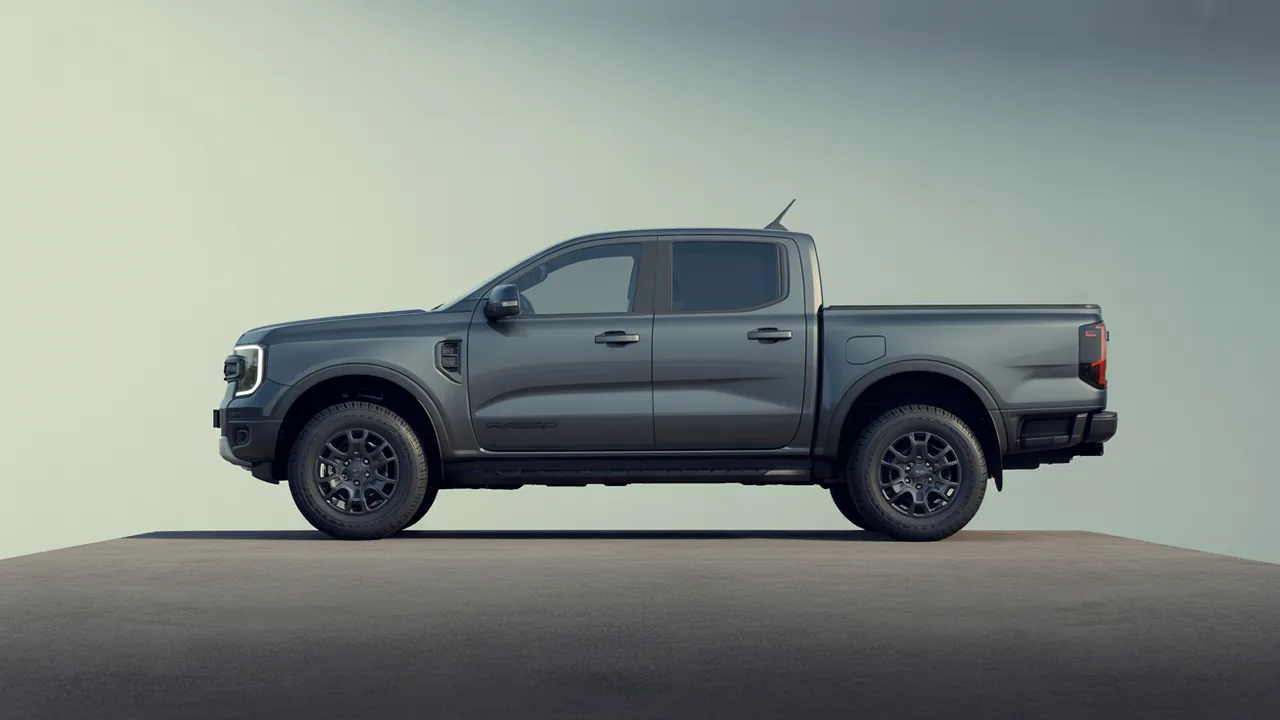
The off-road segment has been expanding, with more automakers offering tougher versions of their SUVs and trucks. Some competitors focus on desert driving, while others target rock crawling or overlanding. This has increased consumer choice and pushed brands to improve traction systems, suspension tuning, and durability features.
Even with more competition, the Wrangler’s position remains strong because it is designed around off-road use from the start. Many rivals are adapted from road-focused platforms. The Wrangler’s long-standing reputation also plays a role, as buyers often consider resale value and aftermarket support when comparing options.
Analysts also point out that brand loyalty is high in this segment. Many Wrangler owners buy another Wrangler when it is time to replace their vehicle. That loyalty is supported by the community network and the large number of shops that specialize in Jeep modifications and repairs.
What “Dominates” Means in Practice
The title claim that the Wrangler 2026 “continues to dominate” off-road culture reflects influence more than a single metric. Influence can be measured by how often a vehicle is used in trail events, how active its owner communities are, and how strongly it shapes the image of off-road driving in media and advertising.
The Wrangler remains a common reference point in reviews and comparisons. It is frequently used as a benchmark for trail capability, particularly in discussions about articulation, aftermarket potential, and low-speed control. For many enthusiasts, it represents a direct link to older off-road vehicles, even as modern technology becomes more common.
For Jeep, the challenge is to keep the Wrangler authentic while meeting new expectations around safety, emissions, and comfort. The Wrangler 2026 appears to continue that balancing act, aiming to satisfy both long-time enthusiasts and newer buyers entering the off-road scene.
FAQs
What makes the Jeep Wrangler 2026 “hardcore” for off-road use?
The Wrangler is built around off-road-focused hardware such as a body-on-frame design, available two-speed transfer cases, and features on certain trims like locking differentials and added underbody protection.
Is the Wrangler 2026 practical as a daily driver?
Many owners use it daily, but it can involve trade-offs like more road noise and a firmer ride compared with crossovers. Newer models typically include more comfort and technology features than older Wranglers.
Why is the Wrangler so connected to off-road culture?
Its long history, recognizable design, and strong owner community make it a symbol in the off-road world. It is also widely supported by clubs, events, and the aftermarket parts industry.
How does the Wrangler compare with newer off-road competitors?
Many competitors offer off-road trims, but the Wrangler remains distinctive because it is designed primarily for trail use and has extensive aftermarket support. Buyers often consider that history and community when choosing a vehicle.