Kawasaki Ninja 300 2026 returns with sharper design and improved mileage
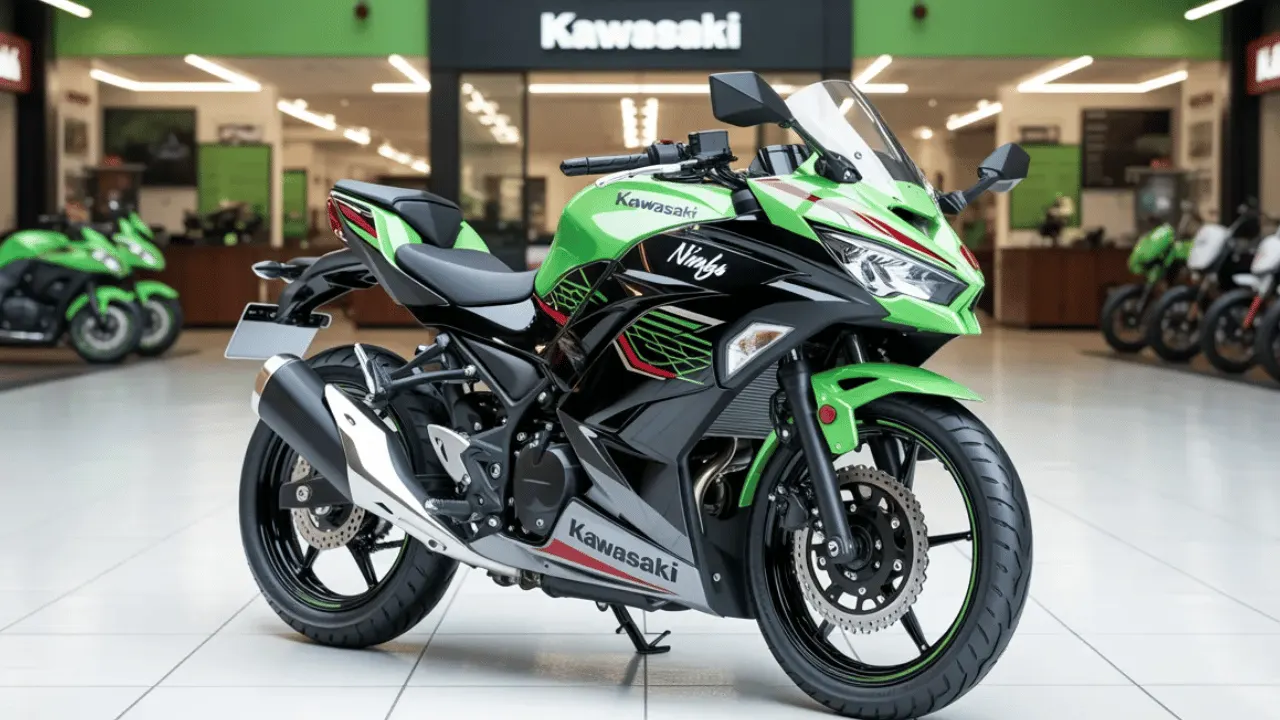
Kawasaki has brought back the Ninja 300 for the 2026 model year, positioning it again as an entry-level sportbike aimed at everyday riders. The model is presented as a familiar nameplate with a refreshed look and a focus on practical ownership. The company is highlighting a sharper design and an improved fuel economy figure of around 30 kmpl, which is expected to appeal to commuters who still want a sporty motorcycle.
The Ninja 300 has long been seen as a step-up bike for new riders and a manageable option for people who do not want a larger and heavier supersport. For 2026, Kawasaki appears to be keeping that role while trying to make the motorcycle feel more current in styling and efficiency.
What is new for the 2026 Ninja 300
In this return, the 2026 Ninja 300 is being described as updated rather than fully replaced. The focus is on changes riders notice in day-to-day use: styling, small refinements, and a stated improvement in fuel economy. Kawasaki is also presenting it as a bike that can fit multiple uses, such as city commuting during the week and leisure rides on weekends.
While the Ninja 300 badge is familiar, the 2026 version is framed as a response to riders who want an affordable sportbike experience without the running costs of bigger engines. The 30 kmpl mileage claim is being used as one of the key talking points, as fuel prices and operating costs remain important for many buyers.
Sharper design aimed at modern sportbike looks
The 2026 Ninja 300 is reported to return with a sharper design language. That typically means more aggressive body lines, a sportier front profile, and a look closer to Kawasaki’s larger Ninja models. For many buyers, design is one of the first reasons they consider a sportbike, even if they mainly ride in traffic.
A sharper design can also bring small functional changes. Sportbike fairings often guide air around the rider, reduce wind pressure, and protect components from dirt and water. Even when the motorcycle is used mostly in the city, the presence of a full fairing helps maintain the “Ninja” identity that the series is known for.
For everyday riders, the key question is whether the sharper styling comes with practical compromises. In general, entry-level sportbikes try to balance looks with comfort by using slightly relaxed ergonomics compared to track-focused machines. Kawasaki is expected to continue that balance, since the Ninja 300 is often chosen by people who ride daily.
Improved 30 kmpl mileage becomes a headline feature
Kawasaki is highlighting improved mileage of about 30 kmpl for the 2026 Ninja 300. Mileage figures can vary by region, riding style, road conditions, and test methods. Still, a figure around 30 kmpl is seen as a strong number for a fully-faired twin-cylinder sportbike in this class.
For commuters, mileage matters almost as much as purchase price. Better fuel economy can reduce monthly spending and make it easier to justify owning a sportbike as a regular transport option. It can also increase the bike’s range between fuel stops, which is helpful for riders who travel longer distances.
Improving mileage usually comes from small adjustments rather than dramatic engineering changes. That can include revised fuel mapping, changes in internal friction, minor tuning updates, and improvements in combustion efficiency. In some markets, updates are also influenced by emission rules, which can lead manufacturers to tune engines for cleaner operation and better economy.

Everyday sportbike positioning for new and returning riders
The Ninja 300 has traditionally been positioned as a bike that welcomes newer riders while still providing enough performance to stay interesting. The 2026 return continues that theme by focusing on everyday sportbike riders. These riders often want a motorcycle that looks fast, feels responsive, and remains easy to live with.
In many regions, riders use sportbikes as daily transport because they are light, easy to park, and can move through traffic more easily than cars. The Ninja 300 is also often chosen because its power is usually more manageable than bigger 600cc or 1000cc models. That can help riders build confidence, especially when learning throttle control, cornering, and braking.
Insurance and maintenance costs are also part of the everyday rider calculation. Smaller displacement motorcycles can be cheaper to insure and may use less fuel and fewer consumables, depending on how they are ridden. For riders who want the style of a Ninja but cannot justify the costs of a larger machine, the Ninja 300 remains a recognizable option.
Engine class and performance expectations
The Ninja 300 is commonly associated with a twin-cylinder engine layout in the 300cc class. This type of engine is often valued for smooth power delivery and a more refined feel compared to some single-cylinder options. Riders typically expect a balance of usable low-end power and stronger pull at higher rpm, which suits both city riding and highway cruising.
Kawasaki has not framed the 2026 update primarily as a performance boost. Instead, the emphasis is on efficiency and the overall riding package. That suggests the motorcycle’s character is intended to remain familiar: sporty enough for fun rides, but not tuned in a way that makes it difficult in slow traffic.
In this segment, real-world performance is often more important than peak figures. Riders want a bike that accelerates cleanly from low speeds, can overtake safely, and stays stable when the road opens up. The Ninja 300’s long-running reputation is built on being approachable while still feeling like a “proper” sportbike.
Comfort, usability, and city riding focus
Sportbikes are sometimes criticized for uncomfortable seating and aggressive riding positions. However, smaller entry-level sportbikes usually aim for a friendlier posture. The Ninja 300 has historically offered a balance between a sporty stance and manageable comfort for daily rides.
For city use, important details include smooth clutch action, predictable throttle response, and good low-speed control. Riders also look for visibility in traffic and stable handling during quick direction changes. The 2026 Ninja 300’s everyday focus suggests Kawasaki is trying to keep these practical strengths in place.
Another key factor is heat management in slow traffic, where fully-faired bikes can sometimes feel warmer to ride. Manufacturers often adjust cooling systems and airflow paths to reduce discomfort. Buyers will likely watch for feedback on how the 2026 model performs in congested conditions, especially in hot climates.
Market context and competition in the entry sportbike segment
The entry-level sportbike market remains active, with many brands offering models aimed at riders moving up from smaller commuter bikes. Buyers often compare design, fuel economy, price, and after-sales support. A known name like Ninja 300 can benefit from brand recognition, but it must still compete on value.
The 30 kmpl mileage claim is a direct response to cost concerns in this segment. In many markets, riders want a motorcycle that can be both a weekday tool and a weekend hobby. The sharper styling is meant to strengthen the emotional appeal, while improved mileage supports the practical side of the purchase.
Availability, pricing, and exact specifications can vary by country. Kawasaki’s approach may differ depending on local emission rules and market demand. Buyers are likely to wait for local dealer announcements to understand what changes are included in their region.
What buyers may look for next
Potential buyers are expected to look for confirmed details on specifications, features, and pricing. They may also look for information on standard equipment, such as lighting type, instrument display, braking hardware, and tire sizes. For everyday riders, service intervals and warranty support can also influence the decision.
Road tests and owner impressions will likely focus on whether the claimed mileage is achievable in normal use, and whether the new design changes bring improvements without adding inconvenience. Many riders will also want to know how the 2026 Ninja 300 compares to newer rivals in terms of feel, refinement, and overall running cost.
FAQs
1) What is the main highlight of the 2026 Kawasaki Ninja 300?
The main highlights are its sharper design and a stated improved fuel economy figure of around 30 kmpl aimed at everyday riders.
2) Is the 30 kmpl mileage figure guaranteed for all riders?
No. Mileage can change based on traffic, riding style, speed, maintenance, and local test methods, even if the company promotes a target figure.
3) Who is the Ninja 300 designed for in 2026?
It is positioned for everyday sportbike riders, including newer riders and commuters who want sporty styling with manageable running costs.
4) Will the 2026 Ninja 300 have the same specifications in every country?
Not always. Features and specifications can vary by region due to market needs and local regulations, so buyers usually need to check local announcements.