Mahindra Bolero 2026 Keeps Strong Presence In Rural India
The Mahindra Bolero 2026 continues to be a familiar sight on rural roads, according to dealers and vehicle owners in several states. The model has long been known for its basic design, body-on-frame build, and ability to handle rough routes. In 2026, the Bolero is still being discussed as a practical choice for buyers who want a tough utility vehicle rather than a feature-heavy SUV.
Industry observers say the Bolero’s demand remains linked to its use cases. In many villages and small towns, vehicles often serve more than one job. They carry people, farm goods, and tools, and they also operate on broken roads and seasonal mud tracks. This is where the Bolero’s simple approach continues to appeal to many customers.
Why Rural Buyers Still Prefer The Bolero
Dealers in semi-urban and rural markets report that buyers often ask for three things: durability, easy maintenance, and steady fuel efficiency. The Bolero is widely viewed as meeting these needs. Its design is not aimed at competing directly with modern urban SUVs that focus on large screens, connected features, and premium interiors.
Many customers also prefer models that local mechanics understand well. Vehicles with simpler electronics and widely available parts can be easier to repair quickly. In areas where service centers may be far away, this can influence purchase decisions.
Another factor is the Bolero’s strong presence in government and commercial use. Fleet operators and local institutions often choose vehicles that have a known record in similar working conditions. This creates a steady stream of repeat demand in some regions.
Tough Build Remains Key Talking Point
The “tough build” image remains central to the Bolero’s identity. It is often used on uneven village roads, construction routes, and narrow lanes. Owners commonly highlight its ability to manage heavy loads and repeated use without frequent breakdowns, though experiences can vary based on maintenance and driving style.
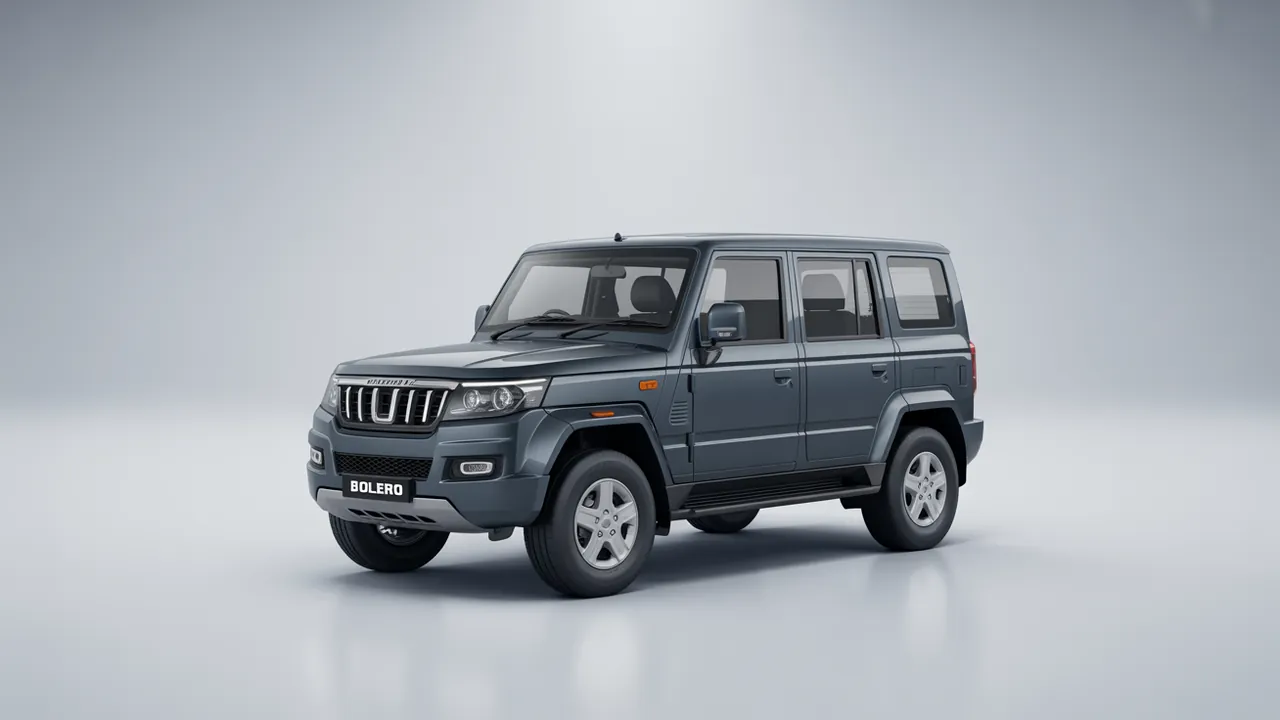
The Bolero’s upright stance and high ground clearance are seen as useful in areas where road quality changes quickly after rain. The body structure and suspension setup are usually discussed as practical choices for these conditions. Buyers who want a strong vehicle for daily work may value this more than premium comfort.
Some owners also say they appreciate the straightforward cabin layout. Switchgear and controls are generally simple, which can be easier for drivers who want function over design. For many rural families, the vehicle is used by multiple drivers, so a familiar layout matters.
Fuel Efficiency Claim: Around 17 kmpl
Mileage is a key issue for rural and commercial users, where long trips and daily running are common. The Mahindra Bolero 2026 is often associated with a mileage figure of about 17 kmpl in discussions among buyers. Actual fuel efficiency, however, can depend on several factors such as road conditions, load, tyre pressure, and driving speed.
In rural settings, drivers may face a mix of paved roads, gravel paths, and slow-moving traffic near markets. These conditions can affect mileage compared to controlled test figures. Still, the focus on fuel economy remains one reason why customers consider the vehicle when budgeting for long-term ownership.
Fuel prices also influence buyer behavior. When operating costs rise, many customers look closely at real-world mileage reports from neighbors, taxi operators, and local fleets. In such markets, a vehicle’s reputation can spread quickly.

Practical Use Cases Drive Demand
The Bolero’s continued popularity is linked to how it is used. In many districts, it works as a people carrier during the day and a goods carrier when needed. It is also used for trips to weekly markets, health centers, schools, and nearby cities.
Small business owners often look for vehicles that can handle mixed tasks. This includes carrying equipment for electricians, plumbers, or contractors, as well as transporting agricultural inputs such as seeds and fertilizer. Some users also rely on the Bolero during harvest season when loads can increase.
Another major user group includes transport operators in smaller towns. They may prefer a vehicle with a known service history and strong resale value. In several markets, resale value is an important part of the buying decision, especially for customers who plan to upgrade later.
Comfort And Features: Not The Main Focus
Compared with many modern SUVs, the Bolero is not usually described as a comfort-first vehicle. Ride quality can feel firm on broken roads, especially with load, though some owners prefer a firmer setup for durability. Cabin noise and vibrations may also be more noticeable than in newer, more premium models.
Features have improved across the industry over the years, and many buyers now expect basics such as power steering, air conditioning, and safety-related updates. However, in the Bolero’s target areas, many customers still prioritize reliability and repairability. The vehicle’s appeal is less about entertainment screens and more about daily dependability.
That said, expectations are slowly changing even in rural markets. Younger buyers and families now compare vehicles online before visiting a showroom. This puts pressure on all brands to offer a balance between toughness and modern needs.

Service Network And Parts Availability
Mahindra’s broad presence in many states remains a supporting factor for the Bolero. Service reach and spare parts availability can influence trust in the brand. In rural areas, even a small delay in repairs can disrupt work and income, so customers often choose models that local workshops can support.
Independent mechanics also play a role. Many owners rely on nearby garages for routine service and quick fixes. A vehicle with commonly available parts may be easier to keep on the road, especially during peak work periods.
Owners also point to the importance of simple maintenance schedules. Vehicles used in dusty or muddy conditions need regular checks, and a familiar platform can help reduce unexpected costs.
Competition In The Utility Vehicle Space
The market has changed, with more compact SUVs and rugged-looking vehicles available at different price points. Some offer better interiors, more advanced safety equipment, and higher refinement. Yet, the Bolero continues to hold ground where buyers want a proven work vehicle.
In many rural segments, purchasing decisions are influenced by community experience. If a vehicle model has been used for years in a village or by a transport group, it can build a strong local reputation. This can be difficult for newer products to challenge quickly.
Analysts note that demand patterns can vary by region. Road quality, local income levels, and the type of work in an area all play a role. In agriculture-heavy belts, utility and endurance often remain top priorities.
Outlook For Mahindra Bolero In 2026
Based on current market feedback, the Mahindra Bolero 2026 remains positioned as a practical vehicle for rural and semi-urban buyers. Its reputation for a tough build and the commonly discussed 17 kmpl mileage figure continue to be key points in its favor.
Whether it can maintain dominance in the long term may depend on how quickly buyer expectations evolve. Safety rules, emission standards, and competition from newer models will also shape the segment. For now, the Bolero’s role as a dependable workhorse appears unchanged in many parts of the country.
FAQs
1) What makes the Mahindra Bolero 2026 popular in rural markets?
It is widely chosen for its tough build, ability to handle rough roads, and straightforward maintenance needs.
2) Does the Bolero 2026 really deliver 17 kmpl mileage?
The vehicle is often linked to an around 17 kmpl figure, but real mileage can change depending on load, road conditions, and driving style.
3) Is the Bolero 2026 suitable for city use?
It can be used in cities, but it is mainly designed for utility and durability rather than premium comfort and modern urban features.
4) What kind of buyers typically choose the Bolero?
Rural families, small business owners, fleet operators, and users who need a reliable vehicle for mixed passenger and goods duties often consider it.