Overview
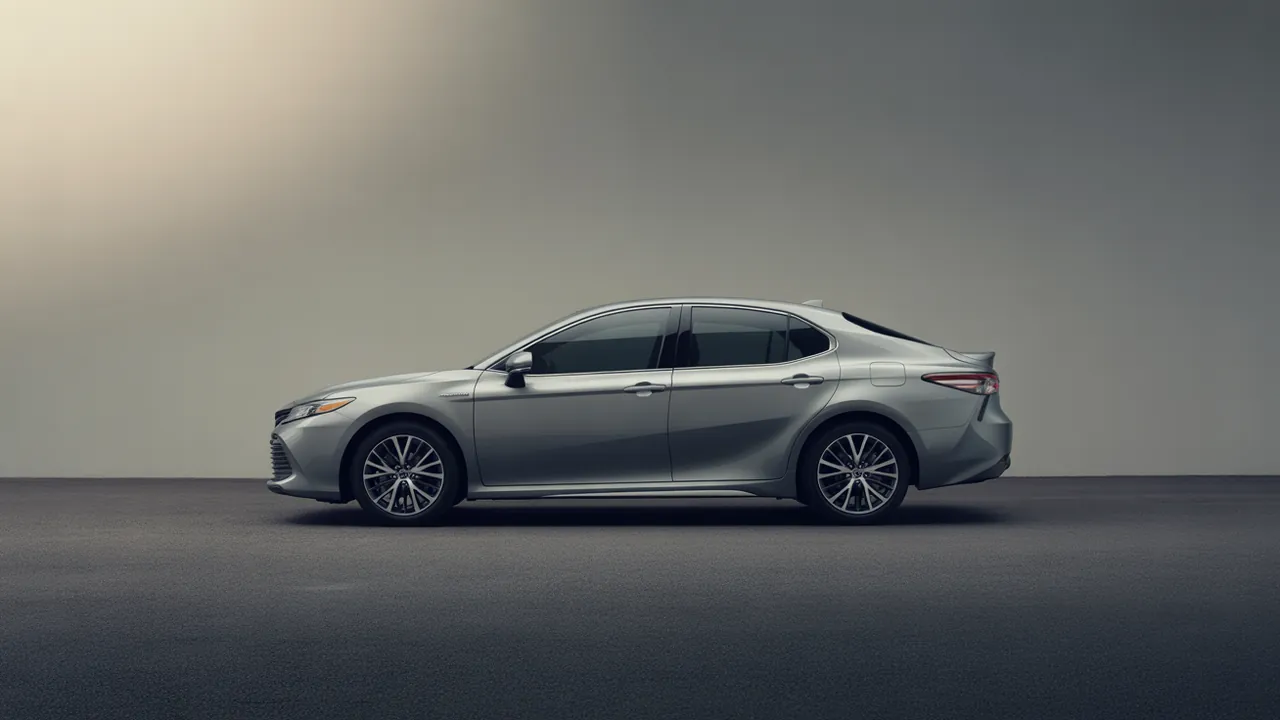
Toyota is putting new attention on the hybrid sedan market with the 2026 Camry. The model continues the Camry nameplate, which has long been one of the company’s highest-volume cars. For 2026, Toyota is highlighting a smooth ride, updated hybrid technology, and a focus on real-world fuel savings.
The 2026 Camry arrives as many automakers balance growing interest in electric vehicles with steady demand for hybrids. Analysts say hybrids remain popular with drivers who want better mileage but are not ready to rely only on charging. In that context, Toyota’s decision to keep investing in the Camry as a hybrid-focused sedan is being watched closely.
Hybrid Strategy In A Changing Market
The wider market for sedans has shifted in recent years, with SUVs taking a larger share. Still, hybrid sedans have maintained a clear customer base. They often appeal to commuters, fleet buyers, and families who want a comfortable ride and lower fuel costs.
Toyota has been one of the most consistent hybrid sellers in the industry. With the 2026 Camry, the company is positioning the sedan as a strong option for shoppers who want a traditional car shape but modern efficiency. Industry observers note that this approach can help Toyota defend its share against newer hybrid offerings from other brands.
Smooth Ride Focus
A key message around the 2026 Camry is ride comfort. Toyota is describing the car as refined and steady, aiming for a calm feel on highways and city streets. The company is also emphasizing noise control and daily drivability.
For many sedan buyers, ride quality is a deciding factor. A smooth suspension setup can reduce fatigue on long drives. It can also improve the feeling of quality, especially in a segment where many shoppers compare vehicles based on comfort and quietness.
While Toyota has not framed the 2026 Camry as a sports sedan, the focus on stability and comfort fits with the model’s long-running role as a practical, everyday vehicle. Some buyers value predictable handling and smooth motion more than sharp performance.
Fuel-Saving Technology
The 2026 Camry’s hybrid system is central to its appeal. Toyota is presenting the powertrain as a way to reduce fuel use without changing driving habits. Drivers can fill up at normal gas stations while benefiting from electric assistance during many parts of daily driving.
Hybrid cars generally use a combination of a gasoline engine and an electric motor. In typical conditions, the motor can help at low speeds and during acceleration. Energy that would normally be wasted during braking can be recovered and stored in a battery. That stored energy is then used to support the engine later.
For consumers, the most noticeable effect is usually improved miles per gallon. In many cases, hybrid systems are especially efficient in stop-and-go traffic, where frequent braking and lower speeds allow more electric support.

Everyday Practicality And Daily Costs
Toyota is also aiming at a basic issue for many households: total cost of ownership. Even when fuel prices change from month to month, buyers often prefer vehicles that use less fuel over time. A hybrid sedan can provide savings without requiring a home charging setup.
For commuters, small gains in fuel economy can add up across a year. For rideshare drivers and fleet operators, the math can be even more direct. More efficient cars can reduce operating costs and downtime for refueling.
Hybrid systems can also be attractive for drivers who want an efficient vehicle but live in areas with limited charging stations. In those cases, a hybrid is viewed as a bridge between standard gasoline cars and fully electric models.
Design And Cabin Expectations
Toyota has not positioned the Camry as an experimental car. Instead, it is expected to keep a familiar sedan layout with a focus on comfort and usability. The segment typically favors clear controls, good visibility, and a trunk suited for groceries, luggage, or work gear.
In recent years, buyers have also expected more technology in the cabin. That can include larger screens, improved phone connectivity, and a wider range of driver-assistance features. Automakers often compete on ease of use, not only on the number of features.
For many shoppers, a clean and quiet cabin matters as much as exterior styling. A smooth ride can feel more complete when paired with less road noise and a stable feel at highway speeds.
Competition In The Hybrid Sedan Segment
The 2026 Camry enters a competitive field. Hybrid versions of other midsize sedans, along with efficient compact cars and small SUVs, give buyers many options. Some consumers who once bought sedans have moved to crossovers that offer similar fuel economy.
At the same time, sedans can still offer advantages. They often have lower weight and a lower center of gravity than SUVs. That can support better efficiency and stable handling. Sedans also typically provide easier entry into garages and parking structures, which matters in dense urban areas.
Analysts say Toyota’s approach is to reinforce the Camry’s core strengths: reliability reputation, predictable ownership experience, and strong resale value. In a market where many buyers are cautious about new technology, Toyota’s long history with hybrids may be a selling point.
Safety And Driver Assistance Trends
Safety remains a major selling point in the midsize sedan class. Buyers often expect a strong set of standard features, including automatic emergency braking, lane support systems, and adaptive cruise control. These systems are becoming more common across many price points.
Automakers are also working to make these features smoother in daily use. Some drivers want assistance systems that feel natural and do not overreact. A comfortable ride and stable driving behavior can work together with these systems, especially during highway trips.
Final safety ratings and feature availability can depend on trim levels and testing results, which may be released closer to the vehicle’s market launch and broader rollout.
What This Means For Buyers
For buyers considering a 2026 Camry, the main story is a hybrid sedan designed for everyday driving. Toyota is signaling that it believes hybrids will remain an important part of the market, even as more electric models arrive.
Shoppers who prioritize fuel savings may view the Camry as a practical step toward electrification without needing to change their routines. Those who care about ride comfort may also be drawn to a sedan that targets smoothness rather than aggressive tuning.
Pricing, detailed specifications, and trim-by-trim information are expected to play a major role in how the 2026 Camry performs in the market. Dealers and consumers will likely compare the Camry not only to other sedans, but also to hybrid crossovers with similar efficiency claims.
Industry Outlook
The 2026 Camry’s move to strengthen the hybrid sedan segment comes at a time when automakers are adjusting their product plans. Some companies have slowed certain electric vehicle targets, while continuing to expand hybrid offerings. This reflects a mixed market where charging access, vehicle prices, and consumer preferences vary widely by region.
If demand for hybrids stays strong, Toyota’s decision to keep pushing the Camry as a fuel-saving sedan could support steady sales. It could also influence other manufacturers to invest more in hybrid sedans, rather than focusing only on SUVs and EVs.
FAQs
1) What is the main focus of the Toyota Camry 2026?
Toyota is emphasizing a smooth ride and hybrid fuel-saving technology, aiming to keep the Camry competitive in the midsize sedan market.
2) Why are hybrids still popular compared with fully electric cars?
Hybrids can reduce fuel use without requiring charging, which can be important for drivers who lack easy access to chargers or prefer familiar refueling.
3) Who typically buys a hybrid midsize sedan like the Camry?
Common buyers include commuters, families, and fleet or rideshare drivers who want comfort, efficiency, and predictable ownership costs.
4) What should shoppers watch for as more details are released?
Buyers often compare official fuel economy figures, pricing, trim features, and safety equipment availability before making a decision.