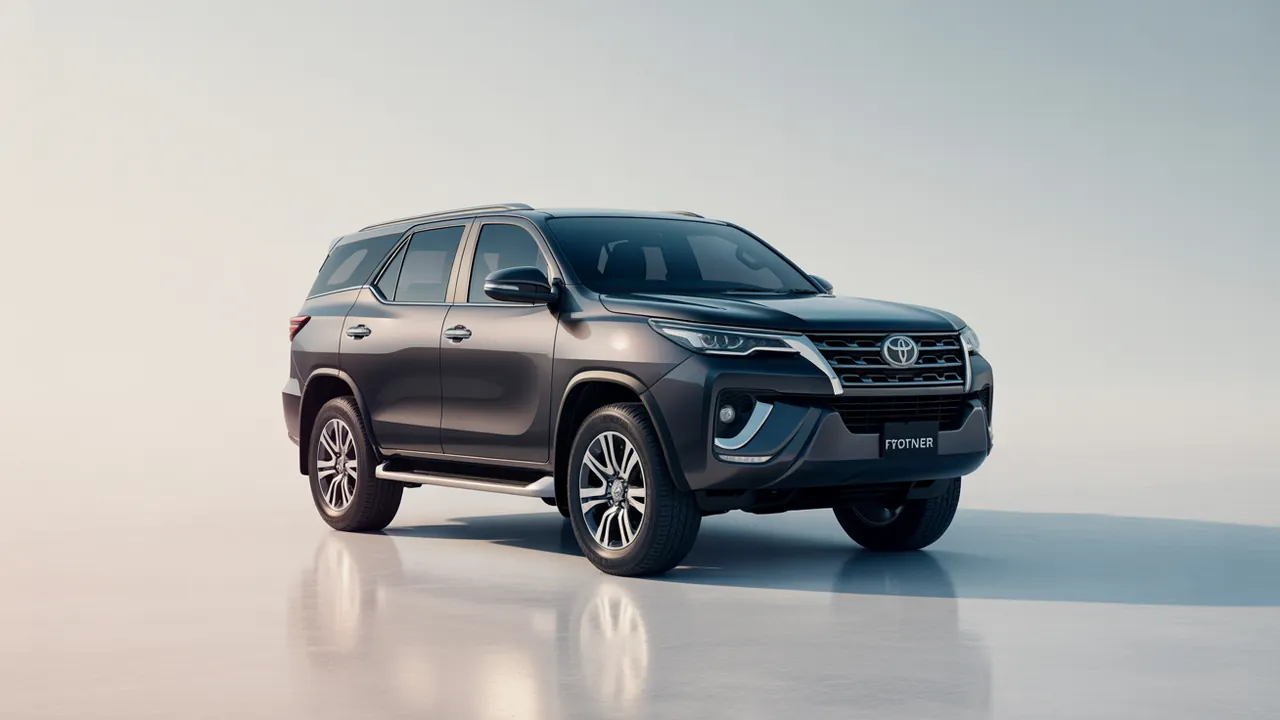
Toyota Fortuner 2026 stays in focus in the premium SUV market
Toyota’s Fortuner has remained one of the most watched premium SUVs in several markets, and the 2026 model year is again drawing attention for familiar reasons. The Fortuner name is closely linked with diesel performance, long-distance comfort, and a reputation for durability. Industry observers say these factors continue to shape buyer interest, even as more rivals add new features and alternative power options.
The Toyota Fortuner 2026 is expected to continue with a similar overall formula. That formula includes a strong body-on-frame platform, a high driving position, and a diesel engine line-up in many regions. For buyers who want a traditional SUV experience, this approach still has clear appeal.
Position in the premium SUV space
The Fortuner is often placed in the “premium SUV” bracket because of its pricing, size, and brand image. It typically competes with other large SUVs that offer three-row seating, strong road presence, and the ability to handle rough roads. In many areas, it also competes with vehicles that may be more car-like in construction, but that focus heavily on comfort and technology.
Toyota’s advantage has often been its wide service network and long-running reputation for reliability. Dealers and used-car platforms frequently highlight that brand trust can influence resale values. This matters for buyers who keep vehicles for many years, as well as those who plan to sell after a shorter ownership period.
Diesel power remains a key talking point
A major part of the Fortuner story is diesel power. Diesel engines are commonly chosen in this segment because they tend to deliver strong pulling force at low speeds. That can help when carrying passengers, luggage, or driving on steep roads.
For the 2026 Fortuner, diesel is expected to remain central in markets where diesel SUVs still have strong demand. Buyers in these regions often prefer diesel for highway cruising and for everyday driving that involves mixed conditions. In addition, diesel engines are commonly paired with automatic transmissions in this class, which can make the SUV easier to drive in city traffic.
Industry analysts note that regulations and fuel trends differ by country. In some places, diesel options are shrinking due to emissions rules. In others, diesel continues because it fits local usage patterns, including long-distance travel and rural driving.
Road presence and SUV design approach
The Fortuner has long been known for its tall stance and bold design. The 2026 model is expected to maintain that identity. This matters in the premium SUV space, where buyers often want a vehicle that looks capable and expensive.
Design updates in this segment usually include revisions to the front bumper, grille styling, lighting signatures, and wheel designs. Even small changes can help a model feel newer without altering its core engineering. Automakers often balance fresh styling with the need to keep production stable and costs controlled.
For Toyota, that balance can also support consistency in parts supply and repairs. This is often a quiet factor behind long-term ownership satisfaction, especially in areas where SUVs are used heavily.

Interior comfort and practicality
The Fortuner is typically marketed as a family-friendly SUV with flexible seating. Three-row layouts are common in this class, though third-row space can vary depending on seating position and the vehicle’s overall packaging.
In premium SUVs, buyers expect cabin comfort, useful storage, and strong air-conditioning performance. Many also look for modern infotainment screens, multiple charging points, and a clean dashboard layout. The Fortuner’s cabin approach has usually focused on practical controls and a durable feel, rather than a purely luxury-first design.
The 2026 Fortuner is expected to continue offering features that support everyday use. That may include leather or leather-like upholstery in higher trims, adjustable seating, and more driver assistance tools depending on the market.
Safety and driver assistance expectations
Safety has become a key competitive area for premium SUVs. Buyers now expect airbags, stability control, and strong braking performance as standard. Many also look for advanced driver assistance systems, such as lane warning, adaptive cruise control, and automatic emergency braking.
Toyota has expanded safety technology across many product lines in recent years. For the Fortuner, the exact package can differ by country and variant. Some markets may receive broader standard safety features, while others keep them limited to higher trims.
Road safety groups and consumer reviewers typically look at how these systems work in real traffic. They also pay attention to ease of use. Alerts that are too sensitive or too complex can frustrate drivers, especially on long trips.

Off-road ability and real-world usage
The Fortuner’s body-on-frame construction is often linked with durability on rough roads. Many buyers choose it because they travel outside cities, deal with uneven surfaces, or need a vehicle that can handle floods and potholes better than a low-slung car.
Depending on the variant, features may include four-wheel drive systems, hill assist, and drive modes designed for loose surfaces. In many regions, these features are a practical need rather than a lifestyle choice. Farmers, contractors, and long-distance travelers often prefer vehicles with higher ground clearance and stronger underbody protection.
However, buyers also consider on-road comfort. Large SUVs can feel heavy in tight city spaces. Manufacturers usually work on suspension tuning and steering feel to make these vehicles easier to drive daily.
Brand trust and resale value remain important factors
Toyota’s brand trust is repeatedly mentioned by customers and dealers. In many markets, Toyota vehicles are known for long service life, and the Fortuner benefits from that image.
Resale value is often tied to this trust. Used buyers may be willing to pay more for a model that is expected to have fewer unexpected repairs. That helps new buyers justify the higher initial price. It can also support financing and leasing decisions, since strong residual values can improve monthly costs in some plans.
Service reach is another factor. A wide network of service centers can reduce downtime and improve convenience. For owners who travel long distances, access to service support can be as important as features.
Competition and market pressure
The premium SUV space is becoming more crowded. Rivals are adding larger screens, connected features, hybrid options, and more refined interiors. Some competitors also focus on softer ride quality and more car-like handling.
The Fortuner’s response has typically been to emphasize durability, diesel strength, and the ownership experience. For some buyers, these points matter more than the newest technology. For others, modern cabin design and advanced features may carry more weight.
Market watchers say Toyota’s challenge is to keep the Fortuner updated while protecting the qualities that made it popular. That includes balancing new tech with long-term reliability and ensuring changes do not raise ownership costs significantly.
What to watch for with the 2026 model
Buyers and industry observers will likely watch three main areas for the Toyota Fortuner 2026. The first is whether Toyota introduces meaningful updates to the cabin and infotainment. The second is how the diesel engine offering is positioned, including efficiency and emissions compliance. The third is pricing, as premium SUV buyers are sensitive to value when options are expensive across the segment.
Availability, exact specifications, and feature lists will depend on each country’s lineup. Toyota often adjusts trims and equipment to match local demand and regulations. For that reason, buyers are advised to check official details in their region once the 2026 range is formally confirmed.
FAQs
1) Is the Toyota Fortuner 2026 expected to focus mainly on diesel power?
In many markets, diesel is expected to remain a major part of the Fortuner lineup, but final options depend on local regulations and Toyota’s regional strategy.
2) What type of SUV is the Fortuner in terms of construction?
The Fortuner is generally known as a body-on-frame SUV, a design often linked with durability and rough-road capability.
3) Why is brand trust often mentioned with the Fortuner?
Toyota’s reputation for reliability, service reach, and long-term ownership costs often influences buyer confidence and resale value.
4) What should buyers compare when shopping in the premium SUV segment?
Common comparison points include safety features, ride comfort, fuel and running costs, interior space, technology, and after-sales support.