Toyota Fortuner 2026 keeps its premium SUV image
The Toyota Fortuner 2026 is expected to continue as one of the most recognized premium SUVs in many markets. The model has long been known for a strong road presence, a tall stance, and an image linked with durability. The latest reports and early discussions around the 2026 version suggest Toyota will focus on keeping that identity, while updating features and improving efficiency.
The headline points being discussed are a powerful engine option and a claimed mileage figure of around 14 kmpl, depending on variant, driving style, road conditions, and local specifications. Toyota has not yet confirmed every detail in all regions, but the Fortuner is widely expected to stay close to its existing formula: body-on-frame construction, high ground clearance, and strong diesel and petrol choices where available.
Engine and performance: focus on strength
The Fortuner has traditionally been offered with engines tuned for torque and long-distance driving. For the 2026 model, it is expected that Toyota will keep a strong engine lineup to match the SUV’s premium positioning. In many markets, the Fortuner has been associated with a 2.8-litre diesel engine, known for pulling power and highway stability. Some markets also offer a petrol engine, aimed at buyers who prefer smoother performance.
While final figures can differ by country, the key point in current coverage is that the Fortuner 2026 is likely to remain a “power-first” SUV. That approach fits buyers who want a confident drive with full load, family travel, or occasional off-road use. Toyota may also continue offering automatic and manual transmission options, along with 4×2 and 4×4 configurations.
Performance on paper is only one part of the story. Owners often choose the Fortuner for how it feels at speed, its high seating position, and the sense of control it provides. The 2026 version is expected to keep these strengths, with possible refinements in noise control and ride comfort.
14 kmpl mileage claim: what it means in real driving
A mileage figure of 14 kmpl is being highlighted for the Fortuner 2026. For a large, ladder-frame SUV, this number attracts attention. However, mileage can vary widely depending on engine type, transmission, tyre choice, traffic, terrain, and air-conditioning use.
In general, diesel variants tend to deliver better fuel economy than petrol variants, especially on highways. Automatic transmissions can also show different results than manual versions depending on tuning and driving style. Toyota’s engineering focus often includes reliability and long-term efficiency, so the company may be working on calibration and weight management to support better real-world consumption.
Buyers should still expect that city mileage will be lower than highway mileage. Heavy traffic, stop-and-go driving, and short trips usually reduce fuel economy. The 14 kmpl figure should be viewed as a reference point, not a guarantee for every driver and every condition.
Design: familiar shape, updated details
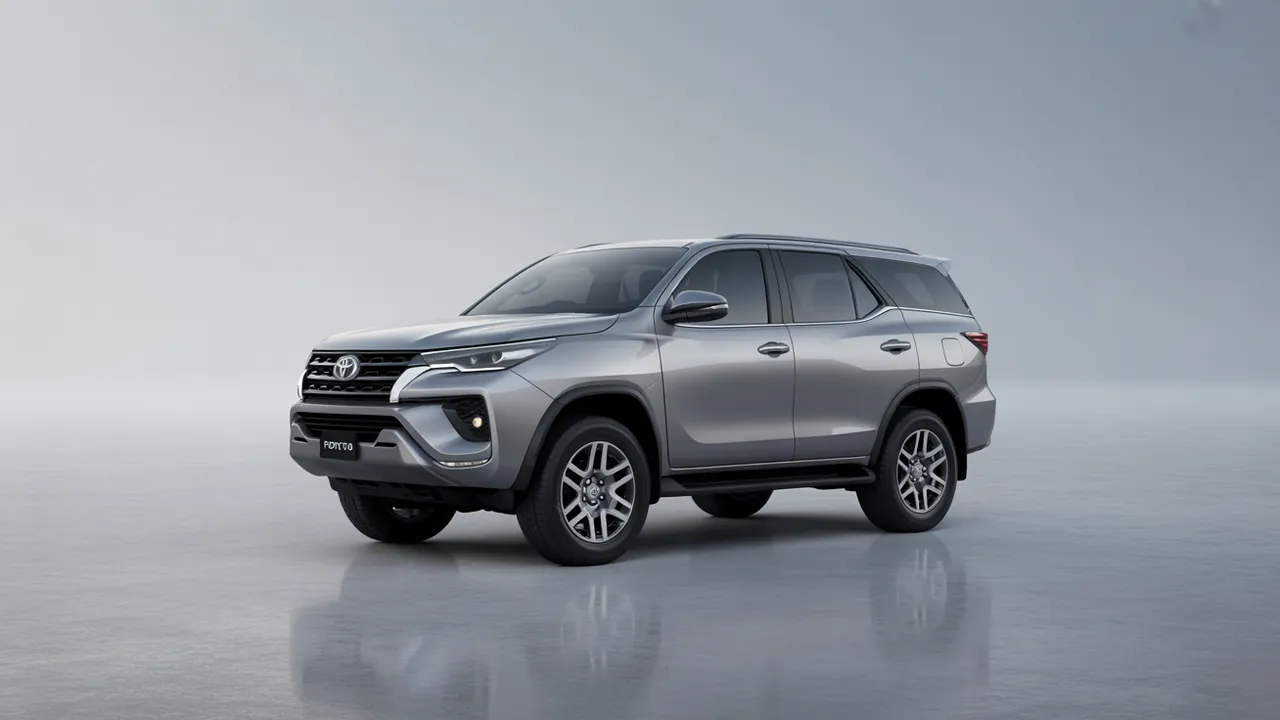
Fortuner updates typically keep the main silhouette intact. That is because the vehicle’s design has become part of its identity. For the 2026 model, observers expect Toyota to maintain the bold front face, high bonnet line, and strong shoulder profile.
At the same time, small design changes are likely. These may include revised headlamps, updated LED signatures, a refreshed grille pattern, and new wheel designs. Some variants could get darker exterior elements or sport-themed styling, depending on market demand.
The goal of such updates is usually to keep the SUV looking current without losing the qualities that made it popular. For a model like the Fortuner, Toyota often aims for a mix of premium styling and practical functionality.
Cabin and features: practical comfort with premium touches
The Fortuner is generally positioned as an SUV that balances comfort and toughness. For 2026, the cabin is expected to continue offering a high driving position, a wide dashboard, and seating designed for long trips. Depending on variant, buyers may see improvements in upholstery materials, trims, and storage solutions.
Technology is another area where updates are expected. Many customers now look for a larger infotainment screen, wireless smartphone connectivity, and better sound systems. Toyota may also introduce upgraded digital displays, more USB charging points, and improved voice or steering controls.
Comfort features can vary by grade. Higher trims may include powered seats, ventilation functions, premium lighting, and automatic climate control. However, exact equipment lists tend to differ by market, so the final offering will depend on local model strategy and pricing.
Safety and driver assistance: likely focus on modern standards
Safety is a major factor in the premium SUV segment. The Fortuner 2026 is expected to continue with multiple airbags, ABS, electronic stability control, hill-start support, and traction assistance systems, depending on the variant. Some markets may also get advanced driver assistance features as part of Toyota’s broader safety approach.
These features can include lane support functions, adaptive cruise control, collision warnings, and automatic emergency braking, but availability often depends on local regulations and trim levels. Toyota typically offers safety technology progressively across its lineup, and the Fortuner’s premium position may support wider availability of these systems.
For many buyers, a key safety benefit of the Fortuner remains its strong build and commanding view of the road. Still, modern buyers increasingly compare safety ratings and active safety tools when choosing a vehicle.

Ride, handling, and off-road ability
The Fortuner has been popular among buyers who want a capable SUV that can manage rough roads. Its ladder-frame chassis and higher ground clearance are aimed at durability and flexibility. For 2026, the SUV is expected to maintain this approach, with a suspension setup tuned for a balance between comfort and control.
4×4 versions may continue to offer modes or settings for low-traction conditions. This can help in situations such as mud, sand, or steep surfaces. Even 4×2 versions are often chosen for their strong stance and ability to handle broken roads better than many lower vehicles.
On highways, the Fortuner is typically seen as stable and confident. Toyota may work further on ride refinement, reducing cabin vibration and improving overall comfort for passengers in the second and third rows.
Market position: premium pricing and strong brand pull
The Fortuner has a strong presence in the premium SUV space. It competes with other large SUVs that offer similar road presence, high seating, and family-friendly space. Toyota’s brand image, resale value, and service network are often cited as reasons buyers consider it even when the price is higher than some rivals.
For the 2026 model, the premium positioning is expected to remain. That means pricing may stay on the higher side, especially for top variants with 4×4 hardware and additional features. Buyers will likely evaluate the Fortuner based on long-term ownership costs, reliability expectations, and how well it fits their travel needs.
What buyers may watch before launch
As more official information becomes available, buyers will likely watch for confirmation of engine options, final mileage testing results, and variant line-ups. They will also focus on whether Toyota adds more standard safety features across the range and whether infotainment and cabin upgrades are significant enough to match new competitors.
Another key point will be availability. Delivery schedules can differ between regions, and some markets may receive different engines, trims, or special editions. For customers planning an upgrade, it may be useful to compare the 2026 model against the current version for feature value and expected waiting periods.
FAQs
1) Does the Toyota Fortuner 2026 really offer 14 kmpl mileage?
The 14 kmpl figure is being reported as a claimed mileage for certain variants under specific conditions. Real-world mileage can vary based on traffic, driving style, and engine and transmission choice.
2) What engine options are expected in the Fortuner 2026?
Markets differ, but the Fortuner is expected to continue with strong diesel and petrol options where offered, with a focus on torque and highway performance.
3) Will the Fortuner 2026 have new safety features?
The Fortuner is expected to maintain a strong safety package, and some regions may add more advanced driver assistance features depending on trim level and local availability.
4) Is the Fortuner 2026 suitable for off-road use?
The Fortuner is generally designed for rough roads and light to moderate off-road conditions, especially in 4×4 variants. Capability will depend on the exact configuration and tyres.