Volkswagen Virtus 2026 Targets Buyers Looking for a Modern Sedan
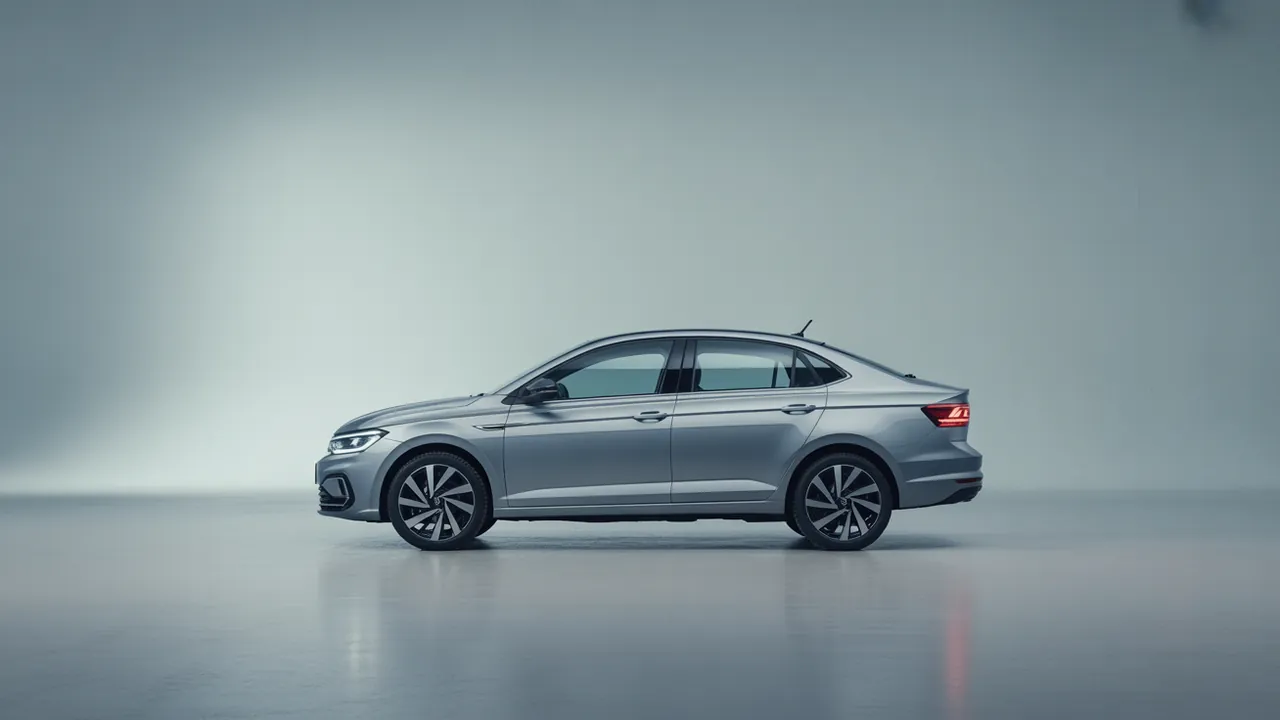
Volkswagen is positioning the Virtus 2026 as a strong option in the mid-size sedan space, aiming to attract drivers who want a traditional three-box car with modern features. The model arrives at a time when SUVs still dominate most markets, but sedans continue to have loyal buyers who value a lower driving position, balanced handling, and a cleaner, more aerodynamic shape.
According to the company’s messaging around the update, the Virtus 2026 focuses on two attention-grabbing points: turbocharged performance and a claimed fuel efficiency figure of up to 19 kmpl. If those numbers hold in real-world use, the car could appeal to buyers who want a mix of power and day-to-day economy.
Turbo Performance Gets the Spotlight
The big highlight for the Virtus 2026 is its turbo theme. Turbo engines have become common in this segment because they can deliver strong mid-range acceleration without needing a large engine. For city driving, that usually means the car can pick up speed quickly for short gaps in traffic. On highways, it can make overtakes easier, especially when the engine has a wide torque band.
Volkswagen has used turbo petrol engines in many of its models in recent years. In the Virtus line, turbo options have been a key selling point against rivals that rely on naturally aspirated units. The 2026 update continues that approach, suggesting the brand sees performance as an important differentiator.
While exact specifications can vary by variant and market, the overall direction is clear: the Virtus 2026 is being marketed as a sedan that does not feel underpowered. Buyers often compare this segment on how smooth the engine feels, how quick it responds, and how stable the car is at higher speeds. Volkswagen appears to be leaning into those expectations.
Claimed Mileage of Up to 19 kmpl Draws Interest
Fuel economy remains a major factor for many sedan buyers. The Virtus 2026 is being promoted with a figure of up to 19 kmpl. That number is likely based on test cycles used for official certification. Real mileage can change depending on driving style, road conditions, traffic, tyre pressure, and the use of air conditioning.
Even so, the claim is significant because turbo petrol engines are sometimes viewed as less efficient when driven hard. Automakers try to address this with better engine tuning, improved transmission calibration, and weight control. In daily commuting, a turbo engine can still deliver good efficiency if the driver uses light throttle and keeps speeds steady.
For many families, a sedan with close to 19 kmpl on paper could be seen as a balanced choice. It signals the car may be suitable for both weekday city use and longer weekend trips without frequent fuel stops.
Part of a Wider “Sedan Comeback” Conversation
The Virtus 2026 arrives amid talk of a “sedan comeback” in some markets. While SUVs continue to sell in large numbers, some drivers are returning to sedans because of comfort, ride stability, and easier handling. Sedans usually sit lower than SUVs, which can improve cornering feel and reduce body roll.
Another reason is efficiency. A sedan’s aerodynamic shape can help reduce drag. That can support better fuel consumption at highway speeds, where wind resistance becomes a bigger factor. For buyers who drive long distances, a sedan can still make practical sense.
In addition, sedans often deliver a quieter ride, especially at speed. With a longer wheelbase and a balanced weight distribution, they can feel more planted on open roads. Volkswagen’s Virtus has generally been positioned as a car built for stable high-speed performance, and the 2026 focus on turbo performance reinforces that message.
Design and Road Presence Expected to Remain Key
Volkswagen’s sedan design approach is usually clean and conservative, with sharp lines and a wide stance. The Virtus has been known for its strong road presence, helped by its proportions and stance. For 2026, the company is expected to keep that identity, while adding updates that make the car feel fresh in showrooms.
In this segment, buyers often pay close attention to details such as headlamp design, grille shape, wheel sizes, and rear styling. Even small revisions can change the overall look. For many customers, a sedan is also a statement purchase, and appearance can be almost as important as fuel economy.
At the same time, Volkswagen typically focuses on giving cars a solid, “built to last” impression. That can include door shut feel, panel fit, and interior materials. These factors often influence test-drive decisions, especially among buyers comparing multiple models.
Cabin Experience Likely to Focus on Comfort and Features
Mid-size sedans are often bought for family use, so the interior experience matters. Buyers look for comfortable seats, good rear legroom, usable boot space, and practical storage areas. They also expect modern features such as a touchscreen infotainment system, smartphone connectivity, and multiple charging points.
The Virtus line has generally offered a tech-forward cabin with a clean dashboard layout. For 2026, buyers will likely expect updates that keep pace with market trends. That could include improved software responsiveness, better display quality, and more convenience features.
Noise levels inside the cabin are another common talking point. A refined sedan is expected to reduce road noise and engine vibration. Turbo engines can be smooth, but the overall refinement also depends on insulation, tyres, and suspension tuning.
Safety and Driver Assistance Remain Key Selling Points
Safety has become a top priority in the sedan segment, with many buyers checking crash test scores and standard safety equipment before making a choice. Volkswagen models typically include a strong set of core safety features, and buyers will watch closely to see what is offered across different Virtus 2026 variants.
Modern customers also look for driver assistance features that reduce fatigue. Depending on variant and market, this could include functions such as parking sensors and cameras, hill-hold assistance, electronic stability systems, and other aids. What matters in practice is how smoothly these systems work and whether they are included in lower trims, not just the top version.
Pricing and Variant Strategy Will Shape Market Impact
The success of the Virtus 2026 will likely depend on pricing and how Volkswagen spreads key features across its variant lineup. In many markets, the mid-size sedan segment is highly competitive, and buyers often choose based on value as much as brand image.
If Volkswagen can offer turbo performance and strong claimed mileage while keeping costs under control, the Virtus 2026 could be seen as a practical upgrade for existing sedan owners. On the other hand, if the best features are limited to high-end trims, price-sensitive customers may look at alternatives.
Availability, waiting periods, and after-sales support also play important roles. Buyers often consider service network reach, maintenance costs, and warranty coverage. These factors can influence long-term ownership satisfaction more than headline numbers alone.
What Buyers Will Watch in Real-World Driving
Even with strong claims, real-world performance and mileage will shape public opinion. Test drives and early owner reviews typically highlight how the car behaves in stop-and-go traffic, how the turbo responds at low speeds, and how smooth the transmission feels.
Fuel efficiency will also be closely watched. Many drivers will compare their daily results with the claimed 19 kmpl figure, especially during mixed city and highway use. The final impression will depend on whether the Virtus 2026 can deliver a convincing balance: quick when needed, calm when cruising, and efficient over a full tank.
FAQs
1) What is the key highlight of the Volkswagen Virtus 2026?
The main focus is on turbo performance and a claimed mileage figure of up to 19 kmpl.
2) Is 19 kmpl mileage guaranteed in daily driving?
No. The figure is typically based on test conditions, and real mileage can vary with traffic, driving style, speed, and weather.
3) Why are sedans being discussed as making a comeback?
Some buyers prefer sedans for stable handling, highway comfort, and potentially better aerodynamics compared to taller SUVs.
4) What factors will decide how successful the Virtus 2026 is?
Pricing, variant features, real-world fuel economy, driving feel, and after-sales support are expected to be key factors.